Blogs

Annual Vet Checkup for Pets: Exam, Tests & Checklist

Annual Vet Checkup for Pets: Exam, Tests & Checklist

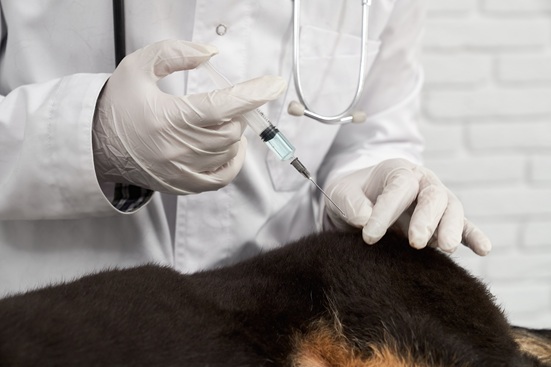
A strange pattern plays out in many households. People take their pet to the vet the moment something looks wrong- a limp, a cough, a refusal to eat- but skip the appointment entirely when their pet seems perfectly fine. It feels logical in the moment, yet it's exactly backwards. A routine pet health checkup is most valuable when your pet looks healthy, because that's when a vet can catch small issues long before they become serious and expensive.Why "Looking Fine" Isn't EnoughAnimals are remarkably good at hiding discomfort. It's an instinct left over from the wild, where showing weakness could make them a target. This means a pet can be dealing with early kidney changes, dental disease, or joint issues for months without any visible sign, right up until it suddenly isn't fine anymore. A yearly pet health checkup exists specifically to catch what your own eyes can't.Regular visits also build a baseline. A vet who's seen your pet every year has something to compare against: a slight weight shift, a new heart murmur, a change in blood values, that a first-time visit during an emergency simply wouldn't have context for.What Happens During a Pet's Annual CheckupSo, what actually happens during a pet's annual checkup? It usually starts with the basics most people expect: weight, temperature, heart rate, and a general physical exam covering eyes, ears, teeth, skin, and joints. From there, most vets move into a more thorough look, checking lymph nodes, abdominal palpation, and mobility, especially for older pets who might be quietly favouring a sore leg without anyone noticing at home.Depending on age and risk factors, this is also when bloodwork, urinalysis, or fecal testing often gets recommended. These tests reveal things a physical exam simply can't, like early organ stress or hidden parasites, which is a big part of why these checkups matter even when nothing seems visibly off to a pet parent watching from the outside.Preventive Care for Pets, Not Just ?TreatmentThere's an important mindset shift here. Preventive care for pets isn't about waiting for something to go wrong and reacting. It's about catching problems while they're still manageable, often before your pet shows any symptoms at all. Dental disease is a great example. Left unchecked, it can silently damage the heart and kidneys over years, yet it's one of the easiest things to catch and manage early during a routine visit.Vaccinations, parasite prevention, and weight management conversations also fall under preventive care for pets, and annual visits are usually when these get reviewed and adjusted based on your pet's actual lifestyle that year, not a generic one-size-fits-all plan handed out regardless of circumstances.How Often Should Cats Go to the VetA question that comes up constantly, especially from cat owners who assume indoor cats need less medical attention. So, how often should cats go to the vet? Healthy adult cats generally benefit from one checkup a year, but kittens, senior cats above seven or eight, and cats with existing conditions usually need visits every six months instead.Indoor cats aren't immune to health issues either. Obesity, dental disease, and age-related kidney problems are common regardless of whether a cat ever steps outside, which is exactly why the "how often should cats go to the vet" question deserves a real answer tailored to your specific cat's age and health, not a blanket rule applied to every household.Building a Simple Checklist for YourselfBefore your next appointment, it helps to jot down anything you've noticed over the past few months, even small things that seem minor. Changes in appetite, water intake, energy levels, litter box habits, or behaviour are all worth mentioning, since pet parents often spot subtle shifts long before any test would reveal them on its own.Bringing a short list to your appointment also means you won't forget to ask something important once you're actually sitting in the room, especially with a wriggly pet distracting everyone involved in the conversation.What a Vet Is Actually Looking ForIt helps to know what's going through a vet's mind during that exam, rather than it feeling like a vague routine. They're comparing current weight against previous visits, checking gum colour for early signs of anemia or dehydration, listening for irregular heart rhythms, and feeling the abdomen for anything that shouldn't be there. None of this takes long, usually fifteen to twenty minutes, but each step is deliberate and tells a trained eye something a pet parent wouldn't otherwise catch at home.Making It a Habit, Not an AfterthoughtThe hardest part of annual checkups usually isn't the appointment itself; it's remembering to book it before another year quietly slips by without anyone noticing. Peppycare helps pet parents stay on top of this with reminders and easy scheduling, so routine care doesn't fall through the cracks between the busy stretches of everyday life. If it's been a while since your pet's last visit, there's no better time to get back on track than now.

Read More
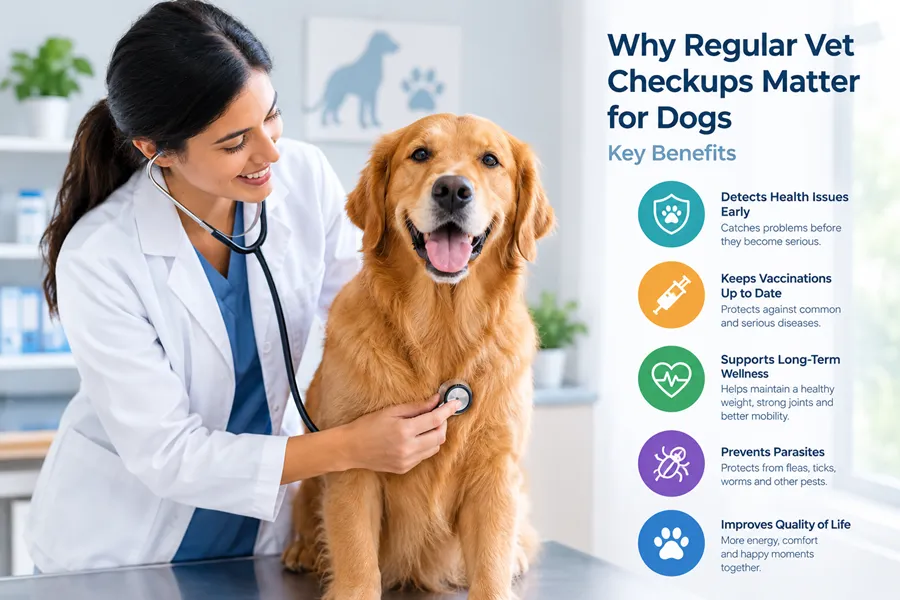
Why Regular Vet Checkups Matter for Dogs: Key Benefits

Why Regular Vet Checkups Matter for Dogs: Key Benefits

Most dog owners only think about the vet when something is visibly wrong: a limp, a cough, a refusal to touch dinner. It's an understandable instinct, but it also means a lot of health issues get caught later than they should. A routine dog health checkup isn't about waiting for trouble; it's about catching problems while they're still small, manageable, and far less expensive to treat than they'll be six months down the line.Dogs Are Experts at Hiding DiscomfortThis is the part that catches a lot of pet parents off guard. Dogs, much like their wild ancestors, are wired to mask pain and weakness. A dog with early arthritis might just seem a little slower on walks. One with developing dental disease might still eat normally, just a bit more carefully. None of it screams emergency, which is exactly why a scheduled dog health checkup matters so much; it's often the only way these quiet issues get noticed before they turn serious.Vets are trained to spot subtle signs that owners miss entirely during daily life. A slightly swollen lymph node, a faint heart murmur, early changes in gum colour. These small details, caught during a routine dog health checkup, can mean the difference between a simple fix now and a complicated, costly treatment later.The Real Benefits of Regular Vet Visits for DogsTalk to any experienced vet, and they'll tell you the same thing: the benefits of regular vet visits for dogs go far beyond just checking vaccination boxes. Each visit builds a health record over time- weight trends, bloodwork baselines, behavioural notes- that becomes incredibly useful the moment something does go wrong. A vet who has seen your dog every year has something real to compare against, rather than starting from zero during an emergency.There's also a financial angle people often overlook. The benefits of regular vet visits for dogs extend to your wallet too. Catching a thyroid issue early, for instance, usually means a manageable daily medication. Catching it late, after symptoms have progressed, can mean a far more complicated and expensive treatment plan, sometimes with permanent damage already done by the time it's discovered.What Preventive Care for Dogs Actually Looks LikePreventive care for dogs isn't one single thing; it's a combination of habits and checkups working together over the dog's whole life. Annual physical exams, parasite prevention, dental cleanings, and weight monitoring all fall under this umbrella. The goal is simple: stop problems before they start, rather than reacting once they've already taken hold.Dental health is a particularly underrated piece of preventive care for dogs. Most owners don't realise that untreated dental disease doesn't just affect the mouth; it can quietly damage the heart and kidneys over years of low-grade bacterial exposure through the bloodstream. A regular checkup catches this early, often before a dog shows any obvious signs of mouth pain at all.What Actually Happens During the VisitA typical checkup usually covers weight, temperature, heart and lung sounds, joint mobility, skin and coat condition, and a close look at eyes, ears, and teeth. Depending on your dog's age, the vet might also recommend bloodwork or urine tests, especially for dogs above seven years old, since organ function can shift gradually without any visible symptoms showing up at home.For puppies, checkups focus more on growth tracking and vaccination timing. For senior dogs, the emphasis shifts toward catching age-related changes early, joint stiffness, vision or hearing decline, and shifts in weight that could point to something worth investigating further before it becomes a bigger issue.How Often Is Actually EnoughMost healthy adult dogs do well with one checkup a year. Puppies need more frequent visits during their first year for vaccinations and growth monitoring, while senior dogs, generally above seven or eight depending on breed, usually benefit from checkups every six months instead. Breeds prone to specific hereditary conditions might need even closer monitoring, something your vet can guide you on based on your dog's individual history and risk factors.Making Checkups Part of the Routine, Not an AfterthoughtThe hardest part of preventive care usually isn't the appointment itself, it's remembering to book it before another year quietly passes by. Life gets busy, and vet visits are easy to push down the priority list until something forces the issue.Peppycare helps take that mental load off pet parents with reminders, easy scheduling, and guidance on what your dog's next checkup should actually cover based on age and history. If it's been a while since your dog's last visit, there's no better moment to get back on track than right now, before a small issue has the chance to quietly grow into something bigger.

Read More
24/7 Emergency Pet Care in Hyderabad: How Peppycare Helps

24/7 Emergency Pet Care in Hyderabad: How Peppycare Helps

There's a specific kind of panic that hits when your pet suddenly collapses, starts vomiting repeatedly, or struggles to breathe, and it's 2 am with no regular clinic anywhere near open - in those minutes, knowing exactly where to go matters more than almost anything else. That's why reliable 24/7 emergency pet care in Hyderabad isn't a luxury for pet parents; it's something every household with an animal needs to figure out in advance, not while already in crisis mode.Why Emergencies Don't Wait for Business HoursPets, much like people, don't get sick on a convenient schedule. A dog can eat something toxic off the street during an evening walk. A cat can suddenly develop breathing trouble overnight with no warning signs beforehand. This unpredictability is exactly why 24/7 emergency pet care in Hyderabad has become such a critical search term for pet owners across the city, especially those with senior pets or breeds known for sudden health complications that can escalate fast.Regular clinics, as good as they are, simply aren't built to handle middle-of-the-night emergencies. They close, staff goes home, and unless you already know where a genuine emergency option exists nearby, you're left scrambling through Google at the worst possible moment imaginable.Finding a Pet Emergency Clinic in HyderabadWhen searching for a pet emergency clinic in Hyderabad, a few things matter beyond just proximity to home. Does the clinic have on-site diagnostic equipment for immediate bloodwork or X-rays? Can they handle surgery if needed right then, or will you be redirected elsewhere after losing precious time? A genuine pet emergency clinic in Hyderabad should be equipped to stabilize and treat serious conditions on the spot, not just offer basic first aid before sending you somewhere else entirely.It also helps to know in advance whether a clinic has experienced emergency vets on staff overnight, rather than a skeleton crew unfamiliar with critical cases. This distinction can genuinely affect outcomes when every minute counts toward your pet's recovery.What Good Emergency Pet Care Services Actually IncludeSolid emergency pet care services go beyond simply being open at odd hours. They include rapid triage so the most critical cases get seen first, access to oxygen support and IV fluids, pain management, and the ability to run urgent diagnostics without waiting until morning for results that could change treatment decisions right away.A clinic offering real emergency pet care services should also communicate clearly under pressure, explaining what's happening, what the options are, and realistic costs involved, rather than leaving an already stressed pet parent more confused and anxious than when they walked in through the door.Emergency Dog and Cat Care in Hyderabad Looks Different by SpeciesIt's worth knowing that emergency dog and cat care in Hyderabad isn't always identical across species. Dogs more commonly come in for toxin ingestion, heatstroke, or trauma from road accidents, given how many spend time outdoors on walks. Cats, on the other hand, often present with urinary blockages, breathing distress, or injuries from falls, conditions that can look deceptively mild at first glance but escalate quickly without proper intervention.A clinic experienced in emergency dog and cat care in Hyderabad will recognise these species-specific patterns quickly, which genuinely speeds up both diagnosis and treatment during those critical first minutes that matter most for recovery.How Peppycare Supports Pet Parents in a CrisisThis is exactly where Peppycare steps in. We connect pet parents with trusted emergency clinics across Hyderabad, so you're never left frantically searching during the worst possible moment. Our team helps guide you to the nearest appropriate facility based on your pet's specific symptoms, rather than just the closest option on a map that might not even be equipped for what's actually happening.Beyond emergencies, Peppycare also supports everyday preventive care, boarding, and regular vet connections, because the goal has always been to reduce emergencies in the first place through consistent, proactive pet healthcare rather than only reacting once something has already gone seriously wrong.Common Emergencies Worth Recognising EarlyA few warning signs deserve immediate attention rather than a wait-and-watch approach. Difficulty breathing, pale or blue-tinged gums, repeated vomiting or diarrhea within a short window, a bloated or hard abdomen, seizures, or an inability to stand are all situations where heading straight to emergency care beats calling around first. Recognising these patterns early, before panic sets in, often makes the difference in how quickly your pet gets the treatment they actually need.Being Prepared Before You Need ItThe best time to figure out your emergency plan is now, not during an actual crisis. Save a clinic's number in your phone, know the fastest route from your home, and keep a small emergency kit ready with your pet's medical history handy. If you're unsure where to start, reach out to Peppycare today; we're glad to help you build a plan so you're never caught unprepared when your pet needs fast, reliable care the most.

Read More
Online Vet Consultation vs. In-Person Visit: Pros & Cons

Online Vet Consultation vs. In-Person Visit: Pros & Cons

It's 11 pm, your dog won't stop scratching at one spot behind his ear, and you're frantically wondering whether this can wait until morning or whether it's worth rushing to an emergency clinic right now. This exact situation is why online vet consultation has become such a common first step for so many pet parents, especially in cities where traffic and timing can turn a simple vet visit into a two-hour ordeal.Why People Are Turning to Online Vet ConsultationThe appeal is obvious once you've tried it. No waiting room full of anxious pets, no driving across the city during peak hours, and often a response within minutes rather than hours. An online vet consultation works particularly well for situations that need guidance rather than hands-on examination, questions about diet, mild symptoms, medication doses, or simply figuring out whether something needs urgent attention or can wait until a regular appointment.For pet parents juggling work and a packed schedule, online vet consultation also removes a lot of friction. You don't need to take time off, find transport, or coordinate a pet carrier for a cat who hates car rides. A quick video call from home can answer a surprising number of everyday concerns without any of that hassle involved.The Reality of a Video Call With a VetA video call with a vet has clear limits, and it helps to know them going in rather than being caught off guard later. A vet can observe behavior, check for obvious swelling or visible wounds, and ask detailed questions, but they can't physically examine your pet, listen to a heartbeat, palpate the abdomen, or run bloodwork remotely, no matter how good the camera quality is.This means a video call with a vet is genuinely useful for triage and general advice, but it's not a replacement for hands-on diagnosis when something more serious is suspected. A good online vet will also be honest about this, recommending an in-person visit the moment something seems beyond what a screen can reasonably assess.Weighing the Pros and Cons of Online Vet CareLooking at the pros and cons of online vet care side by side makes the decision easier for most situations you'll actually encounter. On the plus side: convenience, speed, lower cost for simple queries, and reduced stress for pets who genuinely hate clinic visits and car rides in general.On the other side, the pros and cons of online vet consultations also include real limitations. No physical exam, no diagnostic testing, and a dependency on you accurately describing symptoms, which isn't always easy when you're worried, and your pet won't sit still in front of the camera long enough to show what's actually wrong.When Online Vet for Skin Problems in Dogs Actually WorksSkin issues are one of the more common reasons people search for online vet for skin problems in dogs, and for good reason. Many mild skin concerns, like minor irritation, occasional scratching, or a small rash, can be assessed reasonably well through clear photos and a video call, especially when paired with questions about recent diet changes, new shampoos, or possible allergen exposure.That said, online vet for skin problems in dogs has its ceiling too. Persistent hair loss, open wounds, suspected infections, or anything that looks like it's spreading quickly usually needs an in-person exam, sometimes including skin scrapings or cultures that simply can't happen over a screen no matter how experienced the vet is.Making the Right Call for Your SituationA good rule of thumb: if the concern is informational, dietary, behavioural, or involves something you can clearly show on camera, start online. If there's pain, bleeding, breathing difficulty, repeated vomiting, or anything that feels urgent and physical, skip straight to an in-person visit without wasting time on a call first.The real value of online consultations isn't replacing your vet entirely; it's having a fast, low-pressure first step that helps you decide what comes next with actual confidence instead of guessing alone at midnight with a worried pet in your lap.Getting the Most Out of a Video AppointmentIf you do go the online route, a bit of preparation makes a real difference. Good lighting, a calm pet if possible, and clear photos of any visible issue taken beforehand all help the vet form a better picture quickly. Jot down when symptoms started, whether anything changed recently in diet or routine, and any questions you want answered, so the call stays focused instead of circling back to things you forgot to mention the first time around.A Hybrid Approach Works BestPeppycare works closely with vet clinics who has both online vet consultations and connections to trusted in-person clinics, so pet parents aren't forced to choose one over the other every single time something comes up. Sometimes a quick chat settles your worry completely. Other times it's the fastest way to figure out that an in-person visit genuinely can't wait. Either way, having both options available means you're never stuck wondering what to do next when your pet needs you most.

Read More
Top Vet Clinics in Banjara Hills: Ratings, Services & Timings

Top Vet Clinics in Banjara Hills: Ratings, Services & Timings

If you live anywhere near Road No. 12 or the quieter lanes behind Banjara Hills, you already know finding a good vet isn't as simple as picking the first Google result. Your pet's comfort, the clinic's actual experience with emergencies, and even something as basic as whether they answer the phone at 9 pm all matter when something goes wrong unexpectedly. That's usually why so many pet parents end up searching for a reliable vet clinic in Banjara Hills rather than just walking into the nearest one.What to Actually Look ForRatings on Google are a decent starting point, but they rarely tell the full story. A vet clinic in Banjara Hills with hundreds of five-star reviews might still not be the right fit if their specialty leans heavily toward dogs and your cat needs specific care, or if their peak hours mean a two-hour wait every single time you visit.Instead of only scanning star ratings, look at what people actually write in reviews. Do they mention the vet explaining things clearly? Handling nervous pets gently? Being upfront about costs before starting treatment? These small details tell you far more about day-to-day experience than a number out of five ever could.Services Worth Checking Before You CommitA good pet clinic Banjara Hills residents rely on should offer more than basic consultations. Vaccination schedules, dental checkups, minor surgeries, diagnostic testing like blood work and X-rays, and ideally in-house grooming or boarding options all matter, especially if you'd rather not drive across the city for every different service your pet needs throughout the year.It's also worth asking whether the pet clinic in Banjara Hills has its own lab facilities or sends samples out, since that difference can mean waiting hours versus waiting days for results during something urgent. A clinic that handles diagnostics in-house usually means faster answers when your pet genuinely needs them.Why Timings Matter More Than People RealisePets don't get sick on a schedule. A perfectly healthy dog at 7 am can be vomiting and lethargic by 6 pm, right around closing time for a lot of clinics. This is exactly why availability of a 24-hour vet in Hyderabad has become such a common search, especially among people with senior pets, puppies, or breeds prone to sudden health issues.Not every clinic in the area runs round the clock, and that's completely fair since staffing overnight is genuinely expensive to maintain. But knowing in advance which 24-hour vet in Hyderabad option is closest to you, before an emergency hits at midnight, saves precious time you won't have to spare when it actually matters.Reading Between the Lines of ReviewsA clinic with occasional negative reviews isn't automatically a red flag. What matters more is how they respond. Do they acknowledge mistakes, or get defensive? Did a bad review come from a one-off scheduling issue, or does it point to a repeated pattern around communication or care? Patterns across multiple reviews tell you far more than any single complaint or glowing comment on its own.It also helps to call ahead and ask a few direct questions before your first visit. How do they handle after-hours emergencies if they're not open 24/7? Do they have experience with your specific breed or any existing conditions your pet has? A clinic willing to answer these clearly over the phone is usually a good sign of how they'll treat you in person too.Location and AccessibilityBanjara Hills traffic can turn a ten-minute drive into forty-five minutes during peak hours, which matters a lot more than people initially consider. A slightly less flashy clinic that's five minutes from home might genuinely serve you better than a highly rated one across heavy traffic, especially during an emergency when every extra minute counts against you.Parking availability, how quickly they can fit in walk-ins, and whether they offer home visits for certain situations are all small practical details worth factoring into your decision alongside reputation and services offered.Making the Right Choice for Your PetAt the end of the day, the best clinic isn't necessarily the one with the most followers on Instagram or the fanciest waiting room. It's the one that genuinely knows your pet, communicates honestly, and is reachable when you actually need them, not just during convenient business hours.Peppycare works closely with trusted vet partners across Hyderabad, including clinics in and around Banjara Hills, so pet parents don't have to guess or scramble during stressful moments. Whether you need a routine checkup recommendation or guidance on where to go for something urgent, our team is glad to point you in the right direction based on what your pet actually needs.

Read More
Vaccines for Kittens: What They Prevent & When to Get Them

Vaccines for Kittens: What They Prevent & When to Get Them

Bringing home a kitten is one of those experiences that feels like a mix of pure joy and quiet panic. One minute you're watching it chase a bottle cap across the floor, the next you're wondering if you're actually doing everything right for its health. Vaccines are usually the first big question new kitten parents search for, and rightly so. A proper kitten vaccination schedule is one of the few things in those early months that genuinely protects your little one from diseases that can turn serious, sometimes fatal, if left unchecked.Why Vaccines Matter This EarlyKittens are born with some immunity passed on through their mother's milk, but that protection fades fast, usually by six to eight weeks of age. After that, their own immune system has to take over, and it needs help getting there. This is exactly why a kitten vaccination schedule starts so early in life, long before most people think their tiny kitten needs any medical intervention at all.Diseases like feline panleukopenia, calicivirus, and herpesvirus spread easily, especially among kittens who haven't built immunity yet. Left unvaccinated, a kitten exposed to these can get seriously ill within days. The good news is that a well-timed kitten vaccination schedule dramatically lowers that risk, and most vets will walk you through exactly when each shot is due so you're not left guessing.Breaking Down the First Vaccine for KittensThe first vaccine for kittens typically goes in around 6 to 8 weeks of age, covering the core combination against panleukopenia, calicivirus, and herpesvirus, often called the FVRCP shot. This isn't a one-time thing either. Kittens need booster doses roughly every three to four weeks until they're around 16 weeks old, because their immune response at a young age isn't strong enough to rely on just one dose.Many new pet parents assume one visit covers everything, and then feel blindsided when the vet mentions a second or third appointment. Knowing this upfront makes the whole process feel far less overwhelming, and it's one reason having a clear schedule matters so much from day one.What About the Rabies Vaccine for Cats?The rabies vaccine for cats is usually given a little later, typically around 12 to 16 weeks of age, depending on local regulations and your vet's recommendation. Rabies is fatal and, in India, remains a genuine public health concern, which is why this particular vaccine isn't optional in most places, even for cats that rarely step outside.After the initial dose, the rabies vaccine for cats is generally boosted a year later, and then every one to three years depending on the vaccine type used. If your kitten ever interacts with stray animals, even briefly through a balcony or a window, this vaccine becomes even more important to keep current.Understanding Kitten Vaccine CostOne thing that catches a lot of first-time owners off guard is the actual kitten vaccine cost involved across the full schedule. It's rarely a single payment. Between the core combination shots, boosters, and the rabies vaccine, costs add up over the first four months, and prices vary depending on the clinic, the vaccine brand used, and whether additional vaccines like feline leukemia are included based on your kitten's lifestyle and exposure risk.It's worth asking your vet for a rough breakdown of total kitten vaccine cost upfront rather than being surprised appointment by appointment. Some clinics also offer bundled vaccination packages that work out more affordable than paying per visit.Searching for Kitten Shots Near MeIf you've typed kitten shots near me into Google at some point, you're far from alone. Finding a reliable, kitten-savvy vet clinic matters more than people realise, especially since kittens can be anxious during their first few visits, and a gentle, experienced hand makes a real difference in how they handle future vet trips too.Look for clinics that handle kittens regularly, not just adult pets, and don't hesitate to ask how they manage nervous or squirmy kittens during the actual injection. A good first experience often sets the tone for your cat's relationship with vet visits for years to come.Staying on Track Without the StressKeeping up with multiple appointments over a few months can genuinely feel like a lot, especially if this is your first pet. Writing dates down, setting phone reminders, or asking your clinic for a printed schedule all help. What matters most is consistency, since missed or delayed doses can leave gaps in protection exactly when your kitten needs it most.

Read More
Kitten Vaccination Schedule

Kitten Vaccination Schedule

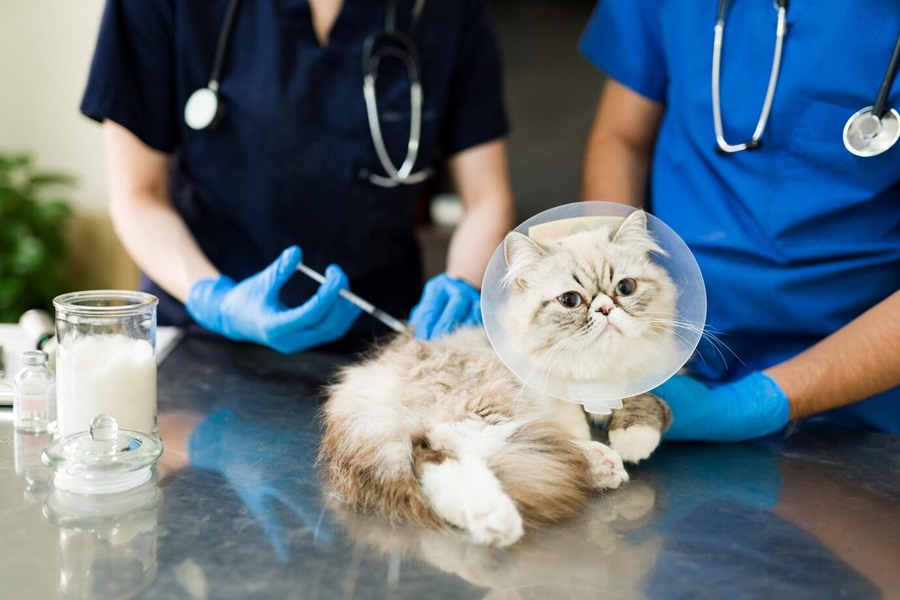
Kitten Vaccination Schedule: Vaccines, Timing & Cost Guide for New Pet ParentsBringing home a kitten is one of those experiences that feels like a mix of pure joy and quiet panic. One minute you're watching it chase a bottle cap across the floor, the next you're wondering if you're actually doing everything right for its health. Vaccines are usually the first big question new kitten parents search for, and rightly so. A proper kitten vaccination schedule is one of the few things in those early months that genuinely protects your little one from diseases that can turn serious, sometimes fatal, if left unchecked.Why a Kitten Vaccination Schedule Starts So EarlyKittens are born with some immunity passed on through their mother's milk, but that protection fades fast, usually by six to eight weeks of age. After that, their own immune system has to take over, and it needs help getting there. This is exactly why a kitten vaccination schedule starts so early in life, long before most people think their tiny kitten needs any medical intervention at all.Diseases like feline panleukopenia, calicivirus, and herpesvirus spread easily, especially among kittens who haven't built immunity yet. Left unvaccinated, a kitten exposed to these can get seriously ill within days. The good news is that a well-timed kitten vaccination schedule dramatically lowers that risk, and most vets will walk you through exactly when each shot is due so you're not left guessing.First Vaccine for Kittens: What to Expect at 6 to 8 WeeksWhat Does the FVRCP Vaccine Cover?The first vaccine for kittens typically goes in around 6 to 8 weeks of age, covering the core combination against panleukopenia, calicivirus, and herpesvirus, often called the FVRCP shot.Why Kittens Need Booster Doses Until 16 WeeksThis isn't a one-time thing either. Kittens need booster doses roughly every three to four weeks until they're around 16 weeks old, because their immune response at a young age isn't strong enough to rely on just one dose.Many new pet parents assume one visit covers everything, and then feel blindsided when the vet mentions a second or third appointment. Knowing this upfront makes the whole process feel far less overwhelming, and it's one reason having a clear schedule matters so much from day one.Rabies Vaccine for Cats: When to Give It and How OftenThe rabies vaccine for cats is usually given a little later, typically around 12 to 16 weeks of age, depending on local regulations and your vet's recommendation. Rabies is fatal and, in India, remains a genuine public health concern, which is why this particular vaccine isn't optional in most places, even for cats that rarely step outside.Rabies Booster Timing After the First DoseAfter the initial dose, the rabies vaccine for cats is generally boosted a year later, and then every one to three years depending on the vaccine type used. If your kitten ever interacts with stray animals, even briefly through a balcony or a window, this vaccine becomes even more important to keep current.Kitten Vaccine Cost: What to Expect Across the Full ScheduleWhat Affects the Total Cost?One thing that catches a lot of first-time owners off guard is the actual kitten vaccine cost involved across the full schedule. It's rarely a single payment. Between the core combination shots, boosters, and the rabies vaccine, costs add up over the first four months, and prices vary depending on the clinic, the vaccine brand used, and whether additional vaccines like feline leukemia are included based on your kitten's lifestyle and exposure risk.Are Vaccination Packages Worth It?It's worth asking your vet for a rough breakdown of total kitten vaccine cost upfront rather than being surprised appointment by appointment. Some clinics also offer bundled vaccination packages that work out more affordably than paying per visit.Kitten Shots Near Me: How to Choose a Kitten-Friendly VetIf you've typed kitten shots near me into Google at some point, you're far from alone. Finding a reliable, kitten-savvy vet clinic matters more than people realise, especially since kittens can be anxious during their first few visits, and a gentle, experienced hand makes a real difference in how they handle future vet trips too.Look for clinics that handle kittens regularly, not just adult pets, and don't hesitate to ask how they manage nervous or squirmy kittens during the actual injection. A good first experience often sets the tone for your cat's relationship with vet visits for years to come.

Read More
Top Animal Boarding Services Near You: A Home Away from Home for Your Pets

Top Animal Boarding Services Near You: A Home Away from Home for Your Pets

Why Are Pet Boarding Services Growing Rapidly in India? Leaving your pet behind is never easy. Whether it is a short work trip or a long vacation, one thought always stays at the back of your mind. Will my pet be safe, comfortable, and cared for like they are at home? This concern becomes even more important when searching for animal boarding services that you can trust near you. That's why animal boarding services and pet boarding services have grown rapidly in recent years. More pet parents are choosing professional services instead of relying on friends or neighbors. The reason is simple. Pets need routine, attention, hygiene, and supervision, even when you are away. But not all boarding services are the same. Some feel like cages with food bowls. Others truly feel like a second home. This blog helps you understand what good boarding services look like, why demand is growing, what numbers tell us about the industry, and how to choose the right place near you. Why Pet Boarding Is Growing So Fast: Pet ownership has increased sharply in the last decade. In India alone, the pet care market is expected to grow at over 20 percent CAGR and cross USD 7 billion by 2028. More pets mean more need for trusted care when owners travel, especially reliable animal boarding near you for dogs and cats. Another study shows that over 60 percent of urban pet parents travel at least once a year, and more than half prefer professional boarding to informal care. This growth is also driven by changing mindsets. Pets are now seen as family members, not just animals. That means safety, comfort, and emotional care matter just as much as food and shelter. What Makes a Pet Boarding Service Truly Good When people search for “pet boarding near me” or best animal boarding near you, most listings look similar. But the experience inside can be very different. Here are the factors that truly matter. 1. Clean and Safe Environment Hygiene is non-negotiable. According to veterinary studies, poor sanitation increases infection risk by up to 70 percent in shared animal spaces. A good boarding facility cleans living areas daily, disinfects bowls and bedding, and has proper waste disposal systems. This is especially important when comparing animal boarding near you prices. 2. Supervised Play and Movement Dogs need movement and interaction. Long hours in closed spaces cause stress and anxiety. Studies show that dogs with daily supervised play show 30 to 40 percent lower stress behaviors compared to confined dogs. Quality boarding includes playtime, walks, and social interaction suited to each pet’s age and temperament. This is a key marker of the best dog boarding in Hyderabad and other major cities. 3. Trained Staff and Monitoring Trained caretakers can spot early signs of illness, stress, or aggression. This matters more than many pet parents realize. According to the American Veterinary Medical Association, early detection reduces emergency health incidents in boarded pets by nearly 50 percent. Staff should understand pet behavior, feeding schedules, and basic first aid. 4. Clear Feeding and Medication Routines Missed meals or incorrect medication can seriously affect pets. A reliable boarding service follows written instructions from owners and confirms feeding times and dosages. Many now maintain daily logs so nothing is missed. Common Mistakes Pet Parents Make While Choosing Boarding: Many people choose boarding based only on distance or price. That can lead to problems. Here are common mistakes to avoid. Choosing the cheapest option without visiting Not checking vaccination requirements Ignoring staff experience Assuming all dogs enjoy group boarding Not asking about emergency procedures According to pet insurance data, over 25 percent of boarding complaints involve stress or illness caused by poor facilities or a lack of supervision. How to Choose the Right Boarding Near You When visiting or calling boarding services near you, ask these questions. How often are pets supervised each day? Are vaccinations mandatory before boarding? How many pets does one caretaker handle? Is there a vet on call in case of emergencies? Can I see the sleeping and play areas? Good facilities welcome questions. They understand that trust is earned, not assumed. What a “Home Away From Home” Really Means A true home-style boarding experience focuses on comfort and routine. That includes: Familiar feeding times Comfortable sleeping areas Calm handling Regular updates for pet parents Attention to emotional well-being Research shows that pets in calm, enriched environments show up to 40 percent fewer anxiety symptoms compared to kennel-style boarding. Where Peppycare Fits In Peppycare focuses on connecting pet parents with trusted pet care services that prioritize safety, hygiene, and comfort. Instead of treating pets like numbers, Peppycare works with partners who follow clear care standards and understand that each pet has unique needs. Whether it is short-term boarding or longer stays, including options like animal boarding near you for dogs, the goal is simple. Pets should feel secure, cared for, and stress-free while you are away. When Should You Consider Pet Boarding Pet boarding is a good option when: You are traveling for more than one or two days Your pet needs structured care You want trained supervision Friends or family are unavailable Your pet needs routine and stability With the right boarding service, many pets adjust within a day and enjoy the experience. Medical Disclaimer This article is intended for informational purposes only and does not replace professional veterinary or pet care advice. Always consult a qualified veterinarian or certified pet care professional before choosing animal boarding services, especially if your pet has medical conditions, behavioral concerns, or special needs.

Read More
Deworming for Pets: When and How Often Should You Do It?

Deworming for Pets: When and How Often Should You Do It?

If you have a dog or a cat at home, one question keeps coming up again and again: when should I deworm my pet, and how often do I need to do it?Deworming for pets is one of the most essential steps in preventive pet healthcare, especially in Indian conditions.Whether your pet stays at home or uses animal boarding services, deworming is an important part of routine pet care that should never be overlooked.This question matters because worms are not rare. They are common in both dogs and cats of all ages. In a warm climate like India’s, internal parasites thrive in soil and on grass. Pets that stay outdoors, visit parks, or spend time in open environments may have higher exposure. Young puppies and kittens are especially vulnerable, but even healthy adult pets can pick up worms from the environment or from other animals.In this blog, we will break down deworming for pets, how often you should deworm your pet, why it matters, what schedules vets recommend, and when natural or vet-prescribed deworming makes sense, all in clear, practical language. This information is especially useful if your pet frequently visits pet daycare or grooming facilities.Why Deworming Is ImportantParasites like roundworms, hookworms, and tapeworms feed off your pet’s nutrients. They can cause:Weight lossDiarrhea or vomitingPot-bellied look in puppiesDull coatPoor growth or energy levelsSome parasites can also spread to humans, especially children, so controlling worms is not just about your pet’s comfort; it’s about your family’s health, too. This becomes even more important for pets that interact with other animals through shared play areas.According to veterinary experts, intestinal worms are extremely common in India because pets are often outdoors, interact with other animals, and live in warm weather, in conditions where parasites thrive. This is why deworming for pets is strongly recommended year-round.Basic Deworming Schedule for Dogs and CatsThe schedule below is based on veterinary standards and reflects how many times pets typically need treatment as they age. Frequency depends on age and lifestyle, including whether your pet uses pet boarding services or stays in group environments. This also works as a dog deworming schedule chart for most households.Puppies and KittensVery young pets carry the highest parasite risk because they can get worms from their mother while still nursing.Here is a simple chart you can follow:Age — Deworming Frequency2 weeks — First dose2–12 weeks — Every 2 weeks12 weeks–6 months — Once a monthThis stronger schedule early in life helps eliminate parasites before they cause serious problems and is considered part of the best deworming for pets during early growth.Adult Dogs and CatsOnce your pet reaches 6 months old, deworming for pets becomes a maintenance routine.Most vets and pet care sources now recommend:Once every 3 months (that is about 4 times per year) for most pets.Pets with heavy outdoor access, hunting instincts, raw feeding, or frequent stays at animal boarding services may need deworming every 2 months or even monthly, depending on risk and vet advice.A general rule of thumb is: the more time your pet spends outside or in shared environments, the more often they should be treated.Special CasesPregnant or nursing mothers should be dewormed under vet supervision to protect both mom and babies. This is especially important before using boarding services or daycare facilities. Always check with your vet for safe timing and options.Signs Your Pet Needs Deworming NowYou should not wait for symptoms, because parasites can be silent. But these signs often accompany a worm problem:Visible worms or segments in stoolScooting (dragging the bottom on the floor)Persistent diarrhea or soft stoolWeight loss even with good appetiteDull coat, itching, or poor energy levelWhen these show up, it’s time to talk with your vet rather than guessing.Best Deworming OptionsVet-Prescribed Deworming MedicinesMedicine combinations like praziquantel + pyrantel, fenbendazole, and others are common. These are often prescribed as a deworming tablet for dogs or cats and are proven to eliminate many kinds of worms. Some focus on roundworms and hookworms, while others also cover tapeworms.Always check with a vet before giving any medicine, especially if your pet stays at outside or interacts with multiple animals.Natural DewormingSome pet parents prefer natural deworming for pets using remedies or herbal supplements. These may include pumpkin seeds, garlic (in safe amounts), or diatomaceous earth marketed for pets.But here is the key: natural deworming for pets is rarely strong enough to kill all parasites on its own, especially in young animals or heavy infestations. If you choose natural methods, use them only as a complement to vet-approved medicine and always under veterinary guidance.How to Deworm Your Pet SafelyWhile schedules give you a general plan, veterinary guidance is essential because:Dewormers need to be chosen based on your pet’s weight and ageSome medicines are vet-onlyImproper dosing can harm your petParasite loads and risks vary by region, lifestyle, and breed.Always weigh your pet before dosing and follow product instructions or your vet’s advice.Why Regular Deworming Matters Even if They Look HealthyParasite eggs can survive in soil for weeks. Even pets that seem healthy and don’t show signs can carry worms. Regular deworming for pets helps:Prevent long-term health issuesReduce spread of parasites in your yardProtect young children who play on the groundKeep pets safe when using shared facilitiesIn some cases, vets also recommend stool checks throughout the year, especially for high-risk pets.SummaryHere is a quick view of a practical schedule many vets follow:Puppies and kittens: Start at 2 weeks, repeat every 2 weeks until 3 months, then monthly until 6 months.Adults: Deworm every 3 months under most conditions, more often if your pet is high risk or frequently uses animal boarding services.Natural options: Can support gut health but should not replace vet-recommended treatments.If in doubt, ask your vet. A proactive deworming plan for pets keeps your pet healthier, helps prevent reinfection, and gives you peace of mind.Happy training and happy tails from all of us at Peppycare, where your pet’s health and happiness always come first.Medical DisclaimerThis article is intended for general informational purposes only and does not replace professional veterinary advice. Always consult a qualified veterinarian before starting, stopping, or changing any deworming schedule or medication, especially if your pet has existing health conditions or regularly stays at animal boarding services.Author BioThe Peppycare team consists of pet care professionals and animal lovers dedicated to helping pet parents make informed decisions. From health and nutrition to animal boarding services, we aim to simplify pet parenting with clear, practical, and trustworthy guidance.

Read More
Identifying and Managing Infectious Diseases in Cats: Symptoms and Treatments

Identifying and Managing Infectious Diseases in Cats: Symptoms and Treatments

Cats are one of the most loved domestic animals with a mysterious nature known for their agility, independence and affectionate behaviour. Just like other animals, we find multiple cat infectious diseases as well that can range from mild to severe and few can be life-threatening.It is important to monitor the cat illness symptoms as cats are effectual at hiding their diseases. Common Cat Infectious Diseases with Symptoms and TreatmentsFeline Upper Respiratory Infection (URI)Feline Upper Respiratory Infection is one of the most common feline infections. It is often caused by Feline Herpes Virus (FHV-1) or Feline Calici Virus (FCV). Cats are prone to these diseases, especially those living in shelters or multi-cat households.Symptoms:SneezingCoughingNasal and eye dischargeLoss of appetite FeverTreatments:Appropriate hydration with proper nutrition Antiviral medications in some critical casesAntibiotics for secondary bacterial infectionsIsolation from other cats to prevent spreadingFeline Panleukopenia (Feline Distemper)Feline panleukopenia is caused by the feline parvovirus. It is highly contagious and is one of the fatal cat infectious diseases that affect kittens and unvaccinated adult cats.Symptoms:VomitingSevere lethargyFeverDiarrhea (often bloody)DehydrationTreatment:Provide support and care along with the IV fluids and electrolytesStrict isolation to avoid transmissionVaccination to prevent future casesAntibiotics to prevent common feline infections that can be secondary also.Feline Leukemia Virus (FeLV)Feline leukemia virus is a retrovirus, one of the cat infectious diseases that suppress the immune system. This is the common feline infections that make cats more susceptible to secondary infections and sometimes cancers.Symptoms:Weight lossPersistent feverPale gumsChronic infectionsEnlarged lymph nodesTreatment:More care and support as there is no cureSchedule regular vet check-ups and get prompt treatment of secondary infectionsImmune boosting supplements along with a high-quality dietFollow some of the preventative measures such as - keeping cats indoors and vaccinationFeline Immunodeficiency Virus (FIV)FIV weakens a cat’s immune system, just like HIV in humans. This feline health issue makes them more vulnerable to infections.Symptoms: Weight lossSwollen lymph nodesPoor coat conditionConstant infections (that includes skin, dental, respiratory)Behavioral changesTreatment:No definitive cure;Treating secondary infectionsRegular visits to the veterinaryProvide support Maintain high-protein dietAvoid stress and exposure to sick catsFeline Infectious Peritonitis (FIP)FIP is a severe feline health issue. This is one of the cat infectious diseases caused by a mutation of the feline coronavirus. It is of two forms: wet and dry, primarily affecting young cats.Symptoms:LethargyWeight lossPersistent feverSwollen abdomen (wet form)Neurological symptoms (dry form)Treatment:FIP was considered fatal, but new antiviral treatments (such as GS-441524) have shown promising affectsMore care and supportEarly diagnosis can give positive outcome to the feline disease treatment RabiesRabies is another common feline infection that affects the nervous system; and is transmissible to humans.Symptoms:SeizuresBehavioral change(such as restlessness ,aggressiveness)ParalysisExcessive salivationSudden deathTreatment: There is no cure but this feline disease treatment can be prevented with vaccinationThis feline health issue more often requires immediate euthanasia when diagnosedStrict quarantine and avoid exposure to other animals.Preventive Measures to Manage Cat Infectious DiseasesVaccinationThe most effective way to protect cats from feline health issues is vaccination. Some of the core vaccines include - calicivirus, panleukopenia, herpesvirus, and rabies. And non-core vaccines include FeLV, which is recommended as per the cat’s lifestyle.Hygiene and SanitationThis includes frequent cleaning of food and water bowls, litter boxes, and bedding to reduce the risk of cat infectious diseases and their transmission. Also, disinfecting the surfaces; especially in multi-cat environments.Quarantine and IsolationThis involves isolating newly adopted cats for a few weeks to monitor for any signs of cat illness symptoms. Healthy cats are kept away from the cats with any feline health issues to prevent any outbreaks.Regular Veterinary Check-UpsVisit the veterinarian regularly for early detection of any cat infectious diseases. This involves regular vaccinations, blood tests, and overall health assessments to maintain the cat’s well-being.Immune Support and Proper Nutrition A proper balanced diet rich in essential nutrients for strong immunity should be introduced in the routine. This can also include supplements like probiotics and omega-3 fatty acids to enhance overall health.ConclusionEarly analysis of the cat illness symptoms and treating cat infections with proper feline disease treatment can reduce the risk of illness.

Read More
Protect Your Pet in a Crisis: Finding the Best Pet Emergency Hospitals in Hyderabad

Protect Your Pet in a Crisis: Finding the Best Pet Emergency Hospitals in Hyderabad

Pets, whether they are feathered, furry, or scaled companions are always cherished. They are treated as an important part of the family. Hence, as a pet owner one must be ready for unexpected health emergencies. But have you ever thought of what to do if your pet faces a sudden health crisis? Don’t worry! This blog provides emergency vet information and focuses on pet emergency hospitals in Hyderabad. Emergency Vet Information Unlike regular veterinary clinics, pet emergency services operate 24 hours a day. These pet emergency hospitals have experienced veterinarians and technicians. Knowing the details about these pet emergency hospitals can save you precious time during emergencies. This blog will guide you further on the emergency vet information, finding emergency vets, and pet emergency services. How to Identify a Pet Emergency Pet emergencies can come in any form at any instance. Some of the situations mentioned below may require immediate attention – Serious respiratory issues like difficulty in breathing or obstruction while breathing. Excessive blood flow from mouth, wounds, or nose that leads to uncontrolled bleeding. An internal or external injury caused by any car accidents, falls or fights with other animals. This can include severe injuries or can lead to trauma. Neurological illness like seizures or loss of consciousness needs immediate diagnosis and treatment. Vomiting or diarrhea, especially with blood indicating food poison or any infection. Blockages or any other serious medical conditions like inability to urinate or defecate. Lethargic, weak, unresponsive, or suddenly unable to stand, needs to be taken to the pet emergency services. Toxic substances and indigestive food items like chocolates or sweets can act as a poison. Some pregnant pets may struggle during delivery for more than a few hours.  Such labor complications in pregnant pets may need immediate veterinary assistance. Bloating or distended abdomen due to gastric torsion can be fatal if not attended immediately. Find Emergency Vets in Hyderabad Below points can streamline the process of finding emergency vets: Online research – You can use search engines and directories to locate the best pet emergency services in Hyderabad. Veterinary referrals – Regular veterans can provide better references for 24-hour animal hospitals and emergency veterinary care. Community Groups – There are many pet owner groups on social media platforms. Become a part of these groups to fetch valuable information and recommendations regarding emergency vets in Hyderabad. Make a list of emergency contact numbers and addresses of nearby pet emergency hospitals. Keep them accessible and handy. Visit the chosen pet emergency hospitals irrespective of any emergency calls. This way you familiarize yourself with the facility and its location which reduces the stress when necessary. Understand Pet Emergency Services Beyond immediate medical care, some pet emergency services in Hyderabad offer additional support, like – Telemedicine : They provide remote consultations and advice for non-critical issues. This saves time during an emergency. Mobile Veterinary Services : On-site emergency care for pets is available in case we cannot go to the medical stores. Blood Banks : They maintain blood transfusion products in case of any critical emergency. Post-Emergency Care : Follow-up care and rehabilitation services are available ensuring a smooth recovery. Insurance for Pet Emergency Services Pet medical emergency is an expensive affair. Having pet insurance can help you deal with your financial needs during these situations. Some of the plans include: Emergency vet visits Coverage for chronic conditions Medications and diagnostic tests Surgery and hospitalization Real-Life Scenarios and Lessons Case 1 :  A Dog Hit by a Car Sheena’s Labrador, Bruno, was hit by a speeding car. Luckily, Sheena had saved the contact of a nearby emergency vet, and Bruno was rushed for treatment immediately. This quick response helped Bruno recover easily. Case 2 :  A Cat Swallowed a Foreign Object John’s cat, Julie, accidentally swallowed a coin. After analyzing the severity of the situation, he took Julie to pet emergency hospitals, where she underwent an emergency procedure. This saved his cat’s life. Have you ever faced a pet emergency? Share your experience in the comments! Pet Emergency Hospitals in Hyderabad Listed are a few pet emergency hospitals-  Pets Care Multi-Specialty Hospital – This hospital has many veterinarians and specialists. And it is spread over Hyderabad, the Sun City       neighborhood, and Karmanghat.  Vet N Pet Hospital – This hospital offers specialized care while maintaining thriving and finest standards for pet care.  The Animal Care – This modest clinic provides the utmost and the finest care to pets with personal affection. Conclusion This blog can help you understand the importance of being prepared for any emergency as a responsible pet owner. Accordingly, maintain accessible contact details, medical records, and transportation plans. Take the necessary steps today to ensure your pet’s safety and well-being

Read More
Protecting Your Dog from Summer Heat Breed-Specific Tips

Protecting Your Dog from Summer Heat Breed-Specific Tips

Summers are to enjoy with family and pets. Pet, especially dogs provide invaluable emotional support with their unconditional affection and loyalty. But summer may give a lot of opportunities and risks to pets. Raising temperatures during summer days can quickly hit the temperature of dogs which can trigger to heatstroke. While all dog breeds need protection from the sun, certain breeds are particularly vulnerable to heat, even at temperatures as low as 20 degrees Celsius. This blog explores more ways to protect dog from heat during summers. Breed-Specific Dog Care in summer Each breed is unique in their nature and has significant body structure which varies based on the temperature variations. Here are a few tips for breed-specific dog care in summer - Brachycephalic breeds: Like pugs, French bulldogs, and boxers are short-nosed dogs. They find it difficulty in panting due to their facial structure. Thick-coated breeds: Huskies, Samoyeds, and Alaskan Malamutes can adapt to cold weather but can still suffer from heatstroke. Remove excess fur by regular brushing and improve ventilation. Small breeds: Yorkshire Terriers and Chihuahuas have smaller body mass due to which they overheat quickly. Large breeds: Great Danes and Saint Bernards are heavy weight and need more efforts to move. Senior dogs and puppies: Not specific to any breed, senior dogs and puppies always need extra attention and precautions. Summer Care for Dogs Understanding summer care for dogs is essential to maintain their body temperature and prevent them from heatstroke. Mentioned are a few of them - Provide cool and fresh water- During hot days; add ice cubes to their water bowls. Offer shade – Provide better shelter under shaded areas like umbrellas or under trees. Avoid taking them for a walk on hot pavements – As a few breeds are sensitive and may burn their paws. So, take them for a walk during the early mornings or late evenings when the climate is a bit cool. Don’t leave your dog unattended in a parked car –The temperature inside a parked car is high can rise rapidly during warm days. This can lead to a fatal heatstroke. Limit exercise timings during the hottest times of a day – Avoid heavy exercise during hot days. Use cooling products- Use cooling mats, vests, and bandanas to keep your dog cool. Regular grooming- Groom more often to remove excess fur and improve ventilation. Closely monitor your dog for any signs of overheating- Be quick and vigilant to act; if you suspect your dog is suffering from heatstroke. Signs of Heatstroke It is crucial to recognize the signs of heatstroke and protect dog from heat. Keep a watch on the below signs to protect dog from heat - Excessive panting – can indicate various health issues like heart disease or difficulty in breathing. Drooling – An increase in the temperature can increase the involuntary or excessive flow of saliva. Vomiting or Diarrhea – especially with blood indicates the serious signs. Weakness or lethargy – where a dog is unusually tired and unable to stand. Bright red gums - indicates the increased blood flow due to overheating. Collapse or seizures – this can be a late-stage sign and requires immediate veterinary attention. What to Do If Dog Overheats? Here are a few cooling tips for dogs that can help them to avoid heatstroke quickly: Move your dog to a shaded area to keep them cool. Offer them cool drinking water. Use a cool water hose or damp towels to cover the dog. Be quick to contact your veterinarian whenever it is needed. Conclusion Don't let summer sun turn into a dangerous threat for your beloved dog! Remember, every breed is unique, so research your dog's unique vulnerabilities. This blog provides a small insight about summer care of dogs and necessary precautions to understand the risks of summer heat. Tailoring each breed’s needs and routines minimizes the risk of heatstroke. It is always recommended to stay in contact with your veterinarian and follow their advice to protect dog from heat. Ultimately, the combination of safety practices and breed-specific dog care in the summer as mentioned in this blog can help you maintain your dogs’ health. Share this vital information with fellow dog owners. Make this summer a safe and happy time for all our furry friends! A little summer care for dogs can prevent heatstroke and protect them from heat.

Read More
Why Every Dog Needs the Canine Parvovirus Vaccine: A Comprehensive Guide

Why Every Dog Needs the Canine Parvovirus Vaccine: A Comprehensive Guide

Introduction of Canine Parvovirus (CPV): Identified first in the late 1970s, Canine Parvovirus (CPV) is proven as a highly contagious and deadly disease. This vaccination is a combination of DHPP or DAPP vaccine. Canine parvovirus vaccine also protects dogs against any distemper, hepatitis, and parainfluenza. Usually, it affects dogs of any age but rapidly spreads among young puppies and unvaccinated ones. As a responsible owner, taking proper measures can prevent canine parvovirus and protect dogs against this fatal disease. What are the Symptoms of Canine Parvovirus?  It spreads through infected dogs, feces, and contaminated surfaces, primarily attacks dogs’ gastrointestinal tract and immune system. Some of the common canine parvovirus symptoms are: Severe vomiting, that is persistent and can lead to many complications (like dehydration) Loss of appetite, where dogs avoid eating or drinking (which can worsen their condition) Lethargy, where dogs become unresponsive and extremely weak Fever, dogs' body temperature fluctuates regularly Bloody diarrhea, foul-smelling stools with fluid loss Dog Vaccination Importance Veterinarians recommend canine parvovirus vaccination for the puppies between six and eight weeks of age. This must be followed by booster shots every three to four weeks until they reach 16 weeks old. Dog Immunization Schedule To maintain the dog’s overall health, it is essential to ensure that we follow the dog vaccination routine. Veterinarians provide specific medications and vaccinations based on the breed, lifestyle, and potential risks. Regular checkups help you monitor your dog’s well-being and detect early signs of illness (if any exist). What are the Benefits of Canine Parvovirus Vaccine? Prevention of deadly disease  : Unvaccinated dogs are at high risk of severe parvovirus infection, with a high mortality rate; especially puppies. Canine parvovirus vaccine can reduce the risk of this infection. Protection of the community  : Vaccinating your dog not only saves its life, but also helps to prevent outbreaks among other dogs. This way, you can reduce the spread of the parvovirus. Cost-Effective Preventative Measure  : Treatment for parvovirus can be extremely expensive, with hospital stays. Dogs are given medications and IV fluids and may need intensive care. So, it is better to go with the canine parvovirus vaccine which is affordable and saves the pet owners a financial burden. Essentials for Puppies  : Puppies develop their immune systems as they grow, so they are more susceptible to parvovirus. It is suggested to receive a parvo vaccine for dogs and build strong immunity. Required for boarding and socialization  : To prevent disease outbreaks, we need to submit the proof of vaccination of our pets. Usually, it is asked at pet daycares, training classes, boarding facilities, and dog parks. Vaccination and preventing parvovirus in dogs is essential to keep pets socialized. Myths & Misconceptions about the Canine Parvovirus Vaccine Despite the clear benefits of parvovirus vaccination, people still have some misconceptions and a few common myths: Myth 1 : "I don’t take my dog outside so there is no need for a vaccine" – Even if you don’t take your dogs outside, there is still a chance of the virus coming home through other pets, shoes, or clothes. It is essential to understand the dog vaccination importance. Myth 2 : "Every dog has natural immunity" – Some puppies may get immunity from their mother’s milk which is temporary. Getting vaccination ensures long-term immunity preventing parvovirus in dogs. Myth 3 : "Vaccines may be harmful and dangerous to my dog" – Scientists release vaccination after rigorous testing to ensure the safety of pets. Therefore, there will be no side effects. What to Expect After Vaccination Most dogs tolerate the vaccine with minimal side effects. However, some may experience mild reactions such as : Mild fever Temporary soreness at the injection site Low energy for a day or two However, there is a rare chance of any severe allergic reactions. But if it prevails, it should be addressed immediately to the veterinarian. Conclusion The canine parvovirus vaccine protects dogs from a highly contagious and potentially fatal disease. So, follow the dog immunization schedule and prevent long-term medical expenses by extending the dog’s lifespan. Ensure a long and healthy life by understanding the dog vaccination importance. Prioritize canine parvovirus vaccine as responsible pet ownership and prevent the spread of this dangerous disease.

Read More
Keeping Your Avian Companion Healthy: Identifying and Treating Bird Illnesses

Keeping Your Avian Companion Healthy: Identifying and Treating Bird Illnesses

Keeping Your Avian Companion Healthy : Identifying and Treating Bird Illnesses Your adorable avian companions are intelligent, gorgeous, entertaining pets, but as it is true of all pets, sometimes it does get sick, and then when that time is, they present faint symptoms many a times unseen and unnoticed. But what does count is awareness and proper diagnosis followed by remedy in order to take care of the health condition of that beautiful bird. Common Symptoms of Birds Illnesses Birds hide their disease to avoid looking weak enough to be attacked by predators. It, therefore, becomes almost crucial for the pet bird owners to be attentive and keen on monitoring any slight change in the behavior or appearance of the pet bird. Some common symptoms of illness among pet birds are : Changes in Appetite: If your bird does not eat or drink water, it can be a sign of bird illness. Some birds will overeat, however, if they are under stress or even ill. Fluffed-Up Feathers : The bird will puff out its feathers when it is unwell to retain body heat. If your bird stays puffed for quite a while, it may be an illness. Lethargy : A diseased bird seems tired, often sleeping more at the bottom of the cage or sleeping out of its active times and can indicate a bird disease. Weight loss : Keep monitoring your bird's weight since it might lose weight slowly or gradually due to malnutrition, infections, or health problems. Labored breathing : It leads to respiratory-related infections or diseases, laboured breathing, wheezing, or the open beak for breathing. Droppings : Changes in color, consistency, or frequency may be signs of infection or an imbalance in their diet. Vocalizations or Silence: A bird not singing or vocalizing anymore or suddenly making some weird noises may indicate stress or discomfort in the bird. Plumage : Lack of feathers, poor quality, or excessive picking at feathers may be an indication of nutritional deficiencies, stress, or parasites. Swollen or Colored Eyes : Discharge, redness, or swelling can be indicative of respiratory infections or allergies. Behavioral Changes: An ailing bird will likely become irritable or withdrawn and display excessive attachment behavior. Bird Disease Diagnosis You must hurry to an avian veterinarian immediately if you have identified any of these symptoms above in your avian companion. Diagnosis of birds would be with Physical Exam : Your vet should look at the general aspect, weight, and feather condition of the bird and check for any visible anomaly. Blood Tests : Detection of infections, nutritional deficiency, or organ problems. X-rays or Ultrasound : Imaging helps in the diagnosis of internal problems, such as tumors and enlargement of organs. Fecal Analysis: Examination of droppings will help detect parasites, infections, or some form of gastrointestinal problem. Culture Tests : Swabbing of your bird's mouth, eye, or cloaca can show the presence of any bacterial, viral, or fungal infection. Treatments of Sick Birds Treatment depends upon the diagnosis and severity of the disease. Some common treatments are the following : Medications : Drugs like antibiotics, antifungal, or antiparasitic may be required for infections. These are commonly administered orally, topically, or by injections. Nutritional Support : Dietary changes or supplements would be advised if the bird is suffering from nutritional deficiencies or malnutrition. Fluid Therapy : Your dehydrated bird may be administered fluids orally or through injection. Environmental Changes: Cleaning the cage, appropriate temperature, and stress relief will help your bird recover. Isolation : The bird requires isolation from other birds if it suffers from a contagious bird illness. Preventive Care for Birds Preventive care is the best way to keep your avian companion healthy. Don't forget the following tips: Annual health checkups with an avian veterinarian. Well-balanced diet: Consisting of various seeds, fruits, vegetables, and specialized pellets for your bird. Keep the cage, perches, and food dishes clean in order not to be infected. Opportunities to exercise and mentally stimulate your bird. Monitor the bird's daily habits, and early detection is the way to successful treatment. PeppyCare : Pets Now Easier to Care PeppyCare connects pet owners with experienced vets to make the health care of your pet bird easy and seamless. From regular check-ups to special care for your feathered friend, access the most reliable professionals to take you through this process. Your bird is under the best possible care without ever leaving home with PeppyCare. Being a responsible bird owner requires vigilance and attention to the changes in one's bird health and the need for early veterinary care. Being able to detect the signs of a bird’s illness, then ensuring an accurate diagnosis, and providing the proper treatment will surely give your bird a healthy and happy life that it deserves. With platforms like PeppyCare, one can always find expert help easily, making it easier than ever to prioritize the well-being of your pet.

Read More
Spotting Babesia in Cats: Symptoms, Diagnosis, and Treatment

Spotting Babesia in Cats: Symptoms, Diagnosis, and Treatment

Spotting Babesia in Cats : Symptoms, Diagnosis, and Treatment Babesia is a serious protozoan-based parasitic disease, often underdiagnosed in cats. Babesia is a disease every cat owner must be aware of. How cats are affected by Babesia, which symptoms come along with Babesia, and the possibilities of a cure for Babesia, are important for you to know so that your little kitty is good and merry. What is Babesia? Babesia is one of the protozoan parasites that can infect different types of mammals, including domestic cats. Their traditional source of transmission comes from ticks. Specifically, these are the ticks belonging to a species of Ixodes infected with the said parasite. Infective ticks may bite a host, drink their blood, and introduce the parasite in the bloodstream of the host. It enters the body, invades red blood cells, and comes with the disease babesiosis, which presents many symptoms. In very extreme cases, one may be exposed to organ failure with a febrile and lethargy presence. Though extremely prevalent in dogs, Babesia does cause diseases in cats, but the cases are grave mostly if diagnosis or treatment is not carried out immediately. Symptoms of Babesia in Cats Although sometimes quite challenging to define the clinical features of babesiosis in a cat since other similar common diseases present very similar clinical characteristics, most affected cats show some evidence of the core indication of diseases, typically with readings that often go as high as over 103 degrees F because the parasite has challenged the cat to fight back and take the upper hand. Lethargy : The affected cats seem to be always tired and sleepy. They sleep more than usual or seem to lose interest in social activity with the owner or any other games and fun normally participated in. Anemia: This is another very common symptom that the red blood cells the Babesia parasite destroys. It becomes weak and shows symptoms of rapid breathing and pale gums. It collapses if anemic because it suffers a lack of oxygen in the bloodstream. Lack of Appetite : Most of the infected cats lose their appetite, and some also experience loss of weight and dehydration. Other symptoms of this disease are vomiting and diarrhea. Jaundice : There is a breakdown of red blood cells that will leak out the bilirubin. As this keeps happening, a yellowish color manifests on the skin, eyes, and mucous membranes of the cat. Most of the time, jaundice means the infection is so advanced that one should consult a vet within a short period of time. Swollen Lymph Nodes : the lymph nodes swell with the infection. The body could present in its fight against infections; it would become painful or sore in the neck, under-chin area, or groin.Respiratory Problems : cases of infections from Babesia would lead to heavy breathing and coughing due to being anemic, with possible involvement of the lung. Pale Gums : This is perhaps the most frequent sign of feline anemia: pale gums. Normal gums are a healthy pink. If your cat's gums appear pale, seek the vet immediately. If your cat is displaying any of these signs, it is very crucial to visit a vet immediately. Babesia progresses rapidly, and complications may result in critical cases if it is not treated soon. Diagnosis of Babesia in Cats The diagnosis of Babesia in cats is quite challenging since the symptoms are similar to many other diseases. Therefore, the veterinarian has to run some tests before an accurate diagnosis is made. Physical Examination : The Vet will perform a physical examination to look for signs such as fever, lethargy, and pale gums. He will look for evidence of tick exposure,that is, recent tick bites or the presence of ticks on the skin of the cat. The tests on the blood of the cat are basically the basis for the diagnosis of Babesia in cats. It must be carried out and interpreted in order to rule out any appearance of existing signs of anemia along with abnormalities in red blood cells. Direct view of the blood smear in the cat using a microscope, regarding the determination on if the Babesia parasites might be seen inside the red blood cells in life. PCR Testing or Polymerase Chain Reaction : It searches for Babesia parasites in the blood of the infected feline. Such a test is highly sensitive, which can enable supporting a diagnosis of babesiosis even when no parasite can be visualized by looking at the blood smear because that might just be at an early stage. Serology : This will indicate a level of presence of antibodies within the blood. It is not used very commonly in diagnosing Babesia infections in cats, but if a blood smear or PCR turns out negative, it can help confirm exposure. Ultrasound : It will be able to look for other aspects of the damage of internal organs, such as an enlarged liver and spleen, in which the enlargement could be affected in the event that the disease progresses. Treatment of Babesia in Cats The treatment of Babesia in cats is dependent on the severity of the infection and the time at which the condition was diagnosed. The main aim for most treatments will be the elimination of the parasite from the bloodstream and generally strengthening the cat in order to win the infection. The antiprotozoal drugs used in the treatment of Babesia in cats are imidocarb dipropionate or atovaquone. This may target the Babesia parasite and may help remove all of it from the body, though this process can take weeks, depending on the severity of the infection. Blood Transfusions :  This is the main treatment for severe anemia. Red blood cells are replaced in the cat with a blood transfusion. Oxygen in the blood returns to normal, and it is very critical when the cat is in shock or organ failure because of its low red blood cell count. Supportive care : Babesia-infected cats often require supportive care, including intravenous fluids against dehydration and electrolyte imbalances, and medications such as analgesics must be initiated for the associated signs of lymphadenopathy or other secondary pathology. Secondary bacterial infections are likely to occur in the infected cats if the host's immune system is depressed. Antibiotics are also given to patients to prevent or treat infections. Nutritional Support : Babesia-infected cats generally lose their appetite and become weak, losing their weight. Nutrition is the key to recovery. The veterinarian may suggest high-quality, easily digestible foods or feeding tubes if the cat is not willing to eat by itself. Follow-up care : the vet would follow up on the cat a few days after the treatment to other appointments on how it is responding to the treatment. There would be blood tests done in order to prove that the parasite had indeed cleared. There would be observations for signs of Babesia infection and complications. Conclusion Prevention of Babesia in cats is basically on the minimization of their exposure to ticks. This is where proper measures of tick prevention must be taken if your cat spends time outdoors. These should include : Tick Prevention Medications : Consult your vet for tick prevention products, including topical treatments, oral medications, or tick collars which will help repel the ticks away from your cat. Routine Tick Inspection : Once your cat leaves the house, inspect her fur and skin for ticks. Ticks can be removed in time, thereby preventing the transmission of Babesia. Limit outdoor exposure : If possible, limit your cat to areas that do not have many ticks, like wooded areas or fields. Keeping your cat indoors minimizes the risk of infection. Babesia is a fatal disease in cats, but most cats go on to live healthy and happy lives if diagnosed early and given proper treatment. It is of great importance for any responsible cat owner to know the symptoms and keep regular visits to the vet for preventative care. Prevent tick exposure and protect your feline friend from Babesia and other tick-borne diseases by taking proactive steps. Unless your cat is seriously ill, consult a veterinarian near you as soon as possible.

Read More