
Blogs

Pawsitive Checkups: Why Routine Vet Visits are Essential for Your Dog

Pawsitive Checkups: Why Routine Vet Visits are Essential for Your Dog

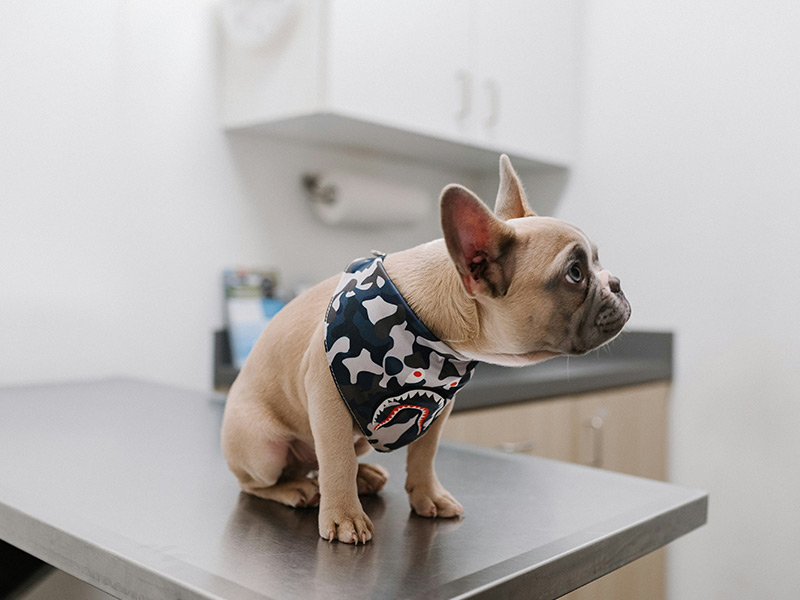
?Pawsitive Checkups: Why Routine Vet Visits are Essential for Your Dog Every dog owner would wish them to stay healthy and fit. Like other humans, the dog would need regular dog checkups to remain active at the ideal state. In most disorders, veterinary dog checkups are regularly conducted to detect this. A veterinary checkup also ensures that your dog lives a longer life. This article will tell you why regular vet check-ups are very important to your dog and should become a normal thing in the life of your dog. Why Routine Check-Ups Matter for Dogs Just like humans, dogs also experience other life cycles and develop other health problems at different ages. Sometimes, they may not show any symptoms of the illness but could be suffering inside. Essential vet visits ensure that such health problems are detected early and managed well. Here are some reasons why regular check-ups are so important: 1. Early Detection of Health Issues The most significant advantage of essential vet visits periodically is early health issues detection. Dogs do not have any form of signaling that something is wrong, and most health issues occur gradually. It becomes very challenging to identify without professional assistance. A vet can spot slight changes in your dog's health that might not be quite noticeable to you, like dental issues, heart problems, or changes in weight. The sooner a condition is detected, the easier it will be to treat and manage, so the better prognosis for your dog. 2. Preventative care Routine vet visits enable you to talk to your vet concerning the ideas related to preventative care. These services include vaccinations, anti-fleas and ticks, deworming, and oral health. The most serious cases of illnesses or conditions are thus made easier to prevent through such services included in routine dog health care. Mostly, vaccinations are meant for infectious diseases. Many areas require vaccination to ensure the safety of your dog. Flea, tick, and worm preconditioning are similarly important because, in these animals, parasites live that can cause great discomfort, and at times, there is a risk of transmitting diseases to humans. Dental care is considered one of the least important, but, in fact, it is quite indispensable to take proper care of a dog's overall health to prevent all kinds of infections such as gum disease, tooth decay, etc. 3. Monitoring Your Dog's Weight and Diet Many dogs are overweight, which may lead to their developing rather serious medical problems such as diabetes, issues concerning joints, heart diseases, and more. Regular visits to the vet will enable him to monitor your dog's weight and body condition. He will then be able to determine whether your dog is underweight, overweight, or at a healthy weight for his breed, age, and activity level. Your vet can also advice on how to feed your dog appropriately to keep them at a healthy weight for the rest of their lifetime. Sometimes, the changes in weight are attributed to some medical condition such as diseases with the thyroid, diabetes, or liver infections. Early discovery of the medical conditions helps decrease the problem before it becomes very acute. 4. Monitoring Behavioral Patterns and Physical Activity Levels Changes in their behavior or habits can be something related to medical issues, and such changes can be subtle, too. Of course, apart from asking these questions, which would include something about your daily activity and habit of feeding your dog, chances are that even tests or possibly a physical examination would be suggested by the doctor to rule out other medical concerns for your lethargic and irritable but normally passive animal. For example, joint diseases such as arthritis are a condition of most older dogs and will lead to the owner being likely to comment that the dog gradually becomes inactive. Early management will ensure the quality of life is preserved or enhanced in a dog affected with one of these diseases. 5. Dental Health Dental health is a neglected case of dogs in most cases. This is highly related to health. Other dental problems in dogs include tartar buildup, plaque, and gum disease, which can lead to the loss of teeth due to this disease, infections, and,in severe cases, damage to the inner and outer organs. The vet check-up always includes a dental examination. The vet checks your dog's teeth and gums for any sign of disease. If the vet detects problems in your dog's teeth, they may be advised to go for professional cleaning or diet adjustments to improve your dog's oral health. 6. Control of Parasite The common parasites that affect your dog's health are fleas, ticks, and worms. Fleas cause skin irritation and allergic reactions due to their presence. Ticks transmit diseases like Lyme disease. Worms include roundworms, tapeworms, and heartworms that cause digestive problems and life-threatening conditions if not treated. During check-ups, your vet will be looking for signs of parasites and giving treatments to prevent infestations. This is a part of your dog's overall health routine. 7. Mental Health Mental health is important at par with physical health. Dogs, especially those that are left alone for long periods or do not get enough stimulation, can develop behavioral issues such as anxiety, depression, and destructive behaviors. This way, regular veterinary visits can often create opportunities to communicate about the condition of the mental and emotional condition of the dog; your vet may even offer recommendations that will help your dog reduce anxiety or other forms of mental stimulation. Sometimes, such changes in behavior can also imply some underlying health issues, which can be diagnosed appropriately. 8. Age-Related Health Concerns As dogs age, they become more susceptible to age-related diseases such as arthritis, blindness, renal disease, and cognitive dysfunction. So, regular visits to the vet seem to play a role in the management of age-related changes. Normally, routine check-ups allow your veterinarian to closely monitor the state of your dog's health and make recommendations for treatments or lifestyle changes that can keep your dog as comfortable and healthy as possible as he or she ages. How Often Does Your Dog Need a Veterinary Check-Up? The number of times your dog needs to be taken to the vet depends on your dog's age, breed, and health status. Generally speaking, puppies and adult dogs are supposed to visit the vet once a year for their annual check-up. The frequency for elderly dogs might increase to every six months to monitor changes that accompany aging. If your dog is exposed to medical conditions or changes in health, then it will be visiting the vet more often. Conclusion Routine vet check-ups keep your dog healthy. Visits help recognize health problems early enough, keep your dog’s health up-to-date with their preventative care, and allow time to discuss changes in their lifestyle and behavioral changes with an expert. The best investment one can make is in the health of his/her dog by going for routine vet care to guarantee a long, happy, and healthy life. Their dogs are treated like our own. That is why the health of our dogs is placed at the highest priority. Affordable, reliable, and comprehensive dog care services PeppyCare gives through routine check-ups, vaccinations, and prevention care plans Let your dog receive the right attention with PeppyCare's veterinary partners. Visit our website or download our App today and get to know us better. Let Peppy Care be your reliable partner in pursuit of happy, healthy furry friends for a lifetime!

Read More

Feline Friends & Vaccines: Protecting Your Cat from Disease

Feline Friends & Vaccines: Protecting Your Cat from Disease

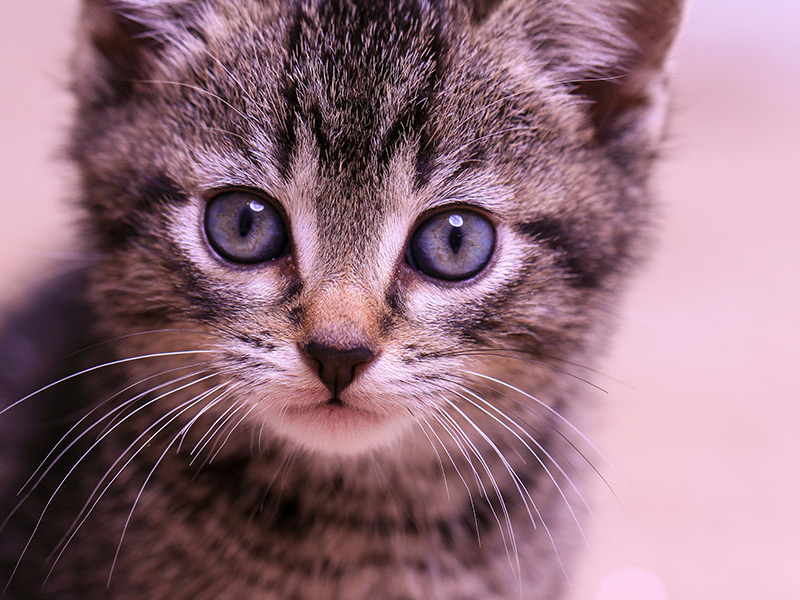
Feline Friends & Vaccines: Protecting Your Cat from Disease A responsible cat owner will take every measure to ensure their feline friend stays healthy and thrive. Arguably, one of the most fundamental practices involved with raising a domestic cat is administering cat vaccinations. These have proven effective in providing protection for quite a few life-threatening illnesses with the intent of ensuring not just your cat's health but that the people around you remain safe and healthy, as well. Why Are Cat Vaccines Important? Vaccinations cause the immune system to respond to a particular disease but do not give the illness. They have a weakened or killed form of the viruses or bacteria they are trying to prevent. The pathogens are introduced to the body in a controlled manner by being administered so that the immune system is prepared to fight infections when they arrive. Vaccination for cats is essential because they can prevent serious diseases that are contagious and, at times, even fatal. Cat Vaccines help in cat disease prevention and prevention of infectious diseases that contribute to the overall health of the cat. Vaccinating your cat will not only protect them but also prevent the transmission of diseases to other animals and, in some cases, even to humans. Core vaccines as recommended, are to be used on every cat regardless of their lifestyle for prevention of widespread and serious diseases. Non-core cat vaccines are a subset of options based on risk level, environment exposed to cats, and certain aspects of life for your kitty. Feline Panleukopenia (FPV) Also known as feline distemper, FPV is a very contagious and fatal disease caused by the virus that attacks the cat's immune system, the digestive tract and bone marrow. It is an infectious disease that affects cats, whether indoors or outdoors. Vaccination for all cats is essential due to the widespread nature of the disease. The third disease caused by FHV-1 is a disease known as feline herpesvirus Type-1 leading to feline viral rhinotracheitis, a very severe respiratoryCat Vaccines help in cat disease prevention and prevention of infectious diseases that contribute to the overall health of the cat. Vaccinating your cat will not only protect them but also prevent the transmission of diseases to other animals and, in some cases, even to humans.Core vaccines as recommended, are to be used on every cat regardless of their lifestyle for prevention of widespread and serious diseases. Non-core cat vaccines are a subset of options based on risk level, environment exposed to cats, and certain aspects of life for your kitty.Feline Panleukopenia (FPV) Also known as feline distemper, FPV is a very contagious and fatal disease caused by the virus that attacks the cat's immune system, the digestive tract and bone marrow. It is an infectious disease that affects cats, whether indoors or outdoors. Vaccination for all cats is essential due to the widespread nature of the disease.The third disease caused by FHV-1 is a disease known as feline herpesvirus Type-1 leading to feline viral rhinotracheitis, a very severe respiratory infection that causes sneezing and nasal discharge accompanied with eye infections, particularly in kittens and cats with lowered immune systems. The FHV-1 vaccine aims to avoid this illness and its proliferation. It may produce oral and pulmonary ulcers. This leads to more severe complications; the vaccination against FCV offers immunity against this highly contagious virus and dilutes the impact of the infection. Rabies – Rabies is almost inevitably a fatal viral disease which is spread through all mammals, especially cats, to human beings. It's mostly attained by bites and scratches from infected animals on healthy ones. Most of the countries enforce laws to force the vaccination against rabies to be administered for the domestic cat as it safeguards the further dissemination of the rabies to other human beings and other animals. Non-core vaccines should be administered according to the type of lifestyle and environment that your cat would have. These are mainly recommended to cats that go outdoors or in certain places where the diseases are more prevalent. Feline Leukaemia Virus (FeLV) FeLV is the most common viral disease, and it leads to immuno-suppression resulting in health problems such as anaemia and cancer. Kittens of cats living outdoors or exposed to the carrier FeLV - positive cats must be vaccinated. Chlamydia Psittaci- This is a bacterial infection causing conjunctivitis, otherwise known as eye inflammation. It leads to upper respiratory symptoms. Vaccination with chlamydia is often suggested for cats exposed at high rates, such as cats in shelters or multi-cat homes. Bordetella Bronchiseptica – This is a bacterium that causes respiratory disease and can be somewhat problematic in multiple cat situations, such as a shelter or cattery. Any cat exposed regularly to other animals should receive the Bordetella vaccine. Feline Immunodeficiency Virus (FIV) – FIV is a viral infection very similar to HIV in humans. The virus depresses the immune system of the cat and, therefore, leaves it susceptible to more opportunistic infections. Even though there are vaccines for FIV, these are not frequently used since the disease is not very prevalent, and neither of the existing vaccines is 100% effective.        When to Vaccinate Your Cat Generally very much depending on their age, lifestyle, and general health status; kitten vaccinations usually begin roughly around an age of about 6 to 8 weeks when routine boosters can be repeated over a period of approximately 3 to 4 weeks until nearly reaching around 16 weeks of age. While the rest of an adult cat would generally require another booster- ideally with an interval of 1 to 3 years depending on what type interests you, together with recommendations made by your vet that visits. It is imperative to note that kittens need multiple cat vaccines for immunity to be established. Single vaccinations confer temporary cat disease prevention immunity rather than permanent. Therefore, the correct schedule is what matters. During the introduction of an adult cat to a house, the vet will check if the cat's vaccination history can be updated; the vet starts or updates a vaccination schedule of that cat.       Side effects and safety of vaccines     As with all drugs, side effects can be expected from vaccination. They are generally short term and self-limiting within days. They include the  following : Vaccination-induced somnolence- Cats typically become drowsier or more lethargic after vaccination. Low-grade fever- The body temperature might rise slightly. Swell or is sore at the injection site- This is usually minor and heals in a very short time. Loss of appetite- Some cats will turn their noses up on food for a short time after vaccination. In rare cases, allergic reaction occurs in some cats, which mostly are detected and treated early by a veterinarian. Vaccination has proven benefits to be far more than the risks. The vaccines, therefore, are safe and effective protection for your cat against harmful diseases.      The Consequences of Not Vaccinating Your Cat Failure to vaccinate your feline friend leaves it vulnerable to severe diseases. Feline panleukopenia, herpesvirus, and rabies are some of the diseases that are fatal. In most cases, treatment is limited or ineffective once symptoms start showing. Vaccination of your cat reduces the chances of contracting such diseases and increases the possibility of living a long, healthy life. This is also because the unvaccinated cats turn out to be a source of disease to other animals. Such infections like rabies or calicivirus will be passed on to other pets and even humans from such cats. Hence, vaccination is not only aiding your cat gain health status but also helping the animal world at large. Conclusion Vacccinations are an integral part of the cat health program because it prevents a cat from contracting many severe and possibly fatal diseases. It ensures that your cat receives both core and non-core vaccines, which protects the general health of the pet population while keeping your cat healthy and generally fit. Consult your veterinarian, and you design a specific, appropriate plan for vaccinations tailored to your feline friend. In fact, early vaccination and booster shots during regular check-ups at a veterinary office have proven to maintain health and happiness throughout a cat's life. Vaccination is a huge part of judicious decision-making that should be implemented by a serious pet owner on their own initiative.

Read More
Essential Preventive Care Tips to Keep Your Pet Healthy

Essential Preventive Care Tips to Keep Your Pet Healthy

Essential Preventive Care Tips to Keep Your Pet Healthy Presence of pet and their emotional support enrich the overall well-being of humans. They serve as joy-givers and are good companions. They are valued and cared for their unconditional love. So, it is our responsibility to follow proper pet preventive care facilities to keep them healthy and happy. Studies have proved that pets contribute to the mental and emotional well-being of humans. Pet owners can experience reduced anxiety, lower stress levels, and improved overall happiness. Their presence provides a sense of purpose; especially for individuals who live alone or are coping with difficult times. Below are some of the essential pet preventive care tips to minimize health risks and avoid costly expenses : 1. Schedule Routine Pet Check-Ups Routine pet check-ups following pet vaccination schedules are the fundamental pillar of pet preventive care. Timely pet vaccination schedules can prevent pets from rabies, distemper, and parvovirus. A regular immunization booster maintains the pet’s immunity. Veterinarians provide pet wellness advice by following routine examinations like : Conduct physical examination Monitor Vital Signs (if any) Perform Diagnostic tests (if necessary) 2. Maintain Healthy Diet Prioritize your pet’s healthy diet in combination with proper nutrients to sustain pet wellness advice. A high-quality diet can reduce/eliminate obesity, allergies, and digestion problems. Schedule a calendar to keep a record of veterinarian visits for your pet wellness advice. Veterinarians help in selecting the proper nutrition-tailored diet for your pet based on its age, breed, and health condition : Understand nutritional needs Choosing high-quality pet food Avoiding toxic food (like chocolate, garlic, onion, caffeine, xylitol, grapes) Meal timing and portion control Proper hydration Include natural and fresh food Maintain dietary needs and supplements Monitoring and adjusting the diet over time 3. Keep Up with Parasite Prevention Follow proper pet preventive care to avoid some of the dangerous health diseases like fleas, ticks, and heartworms. Veterinarians suggest the basic pet health tips based on your pet’s lifestyle and environment : Use preventive medication Maintain clean environment 4. Regular Exercise Pet preventive care includes pet-friendly exercises to keep your pet active and healthy. Some of the activities include : Daily walks and playtime Interactive and enrichment activities Indoor exercises (like scratching posts) Swimming and water activities Consistency and routine 5. Mental Stimulation Activities Not only physical exercise but also interactive toys are as one of the important pet health tips for the pet’s healthy growth. These activities enhance the problem-solving skills and cognitive abilities of the pets, such as: Puzzle toys and interactive feeders Training and obedience exercise Sensory enrichment Rotating toys and activities Social interaction 6. Groom your Pet Regularly Grooming is one of the fundamental aspects of pet ownership to ensure the pet’s health, happiness, and comfort. Some of the grooming involves: Brushing and coat care Bathing and skin care Nail trimming Ear and dental care 7. Maintain a Safe and Stress-free Environment Provide a peaceful and stress-free environment to promote emotional stability essential for the pets’ well-being. This includes: Providing a safe physical environment Consistent routine Calming atmosphere Facilitate proper socialization 8. Monitor Pet’s Behavior and Health Changes Pets cannot talk or express their feelings, so it is important to monitor their behavior to prevent any potential issues in future. Behavior changes include: Decrease or increase in appetite Some sign of discomfort, pain, or anxiety Pet preventive care helps you to identify health issues at an early stage (if appears). This kind of prevention can reduce the future medical expense and also lengthen your pet's lifespan. Implement pet health tips within your daily pet routine checkup to your furry companion to enjoy a complete and healthy lifestyle. Humans and pets share a special bond for the pets' unwavering affection, playful antics, and ability to sense emotions. This makes pets one of the most irreplaceable companioPet preventive care helps you to identify health issues at an early stage (if appears). This kind of prevention can reduce the future medical expense and also lengthen your pet's lifespan. Implement pet health tips within your daily pet routine checkup to your furry companion to enjoy a complete and healthy lifestyle.Humans and pets share a special bond for the pets' unwavering affection, playful antics, and ability to sense emotions. This makes pets one of the most irreplaceable companions. So, take good care of them by following appropriate pet preventive care to ensure they are healthy, happy, and live longer. Conclusion :Follow the standard pet preventive healthcare practices including pet wellness guidance, scheduled pet check-ups, and vaccination programs for maintaining your pet’s healthy condition. The combination of dental care along with mental stimulation and parasite prevention and a secure environment contributes to the total healthcare of your pet. Seek professional veterinarian consultations for custom pet care needs while remaining dedicated to continuous pet health maintenance.

Read More