












































Annual Vet Checkup for Pets: Exam, Tests & Checklist
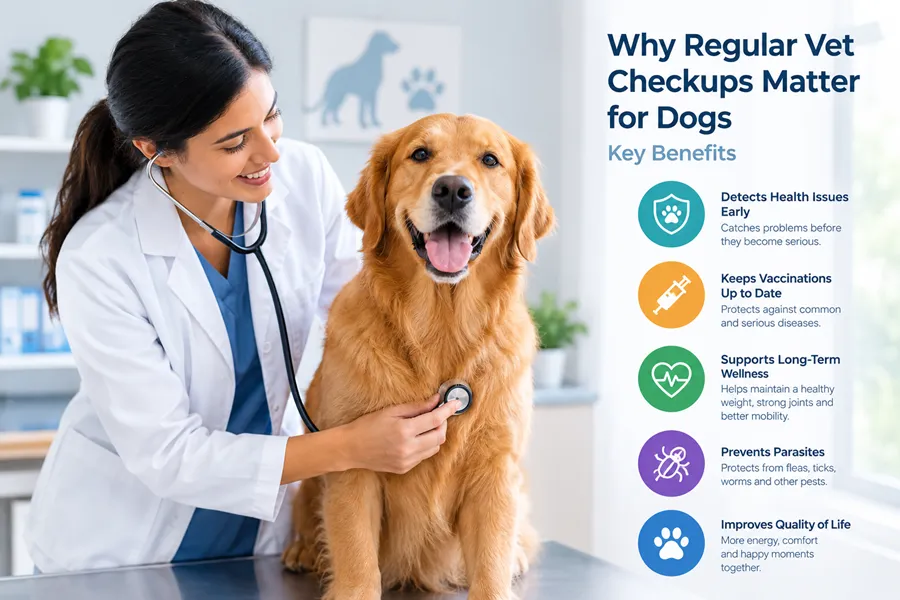
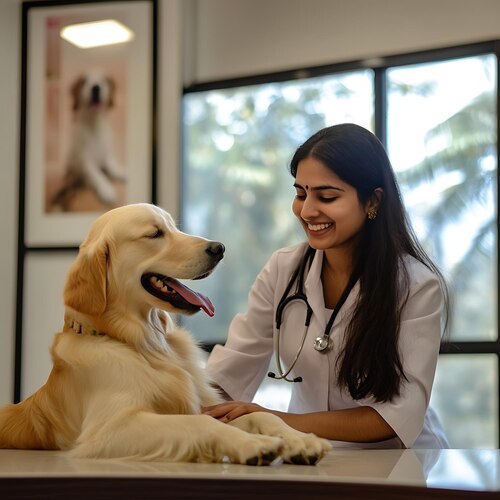
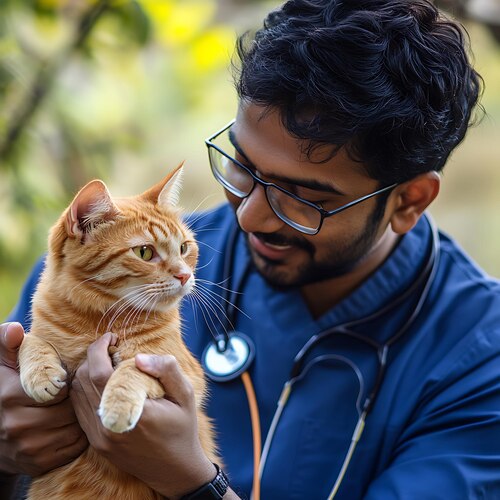
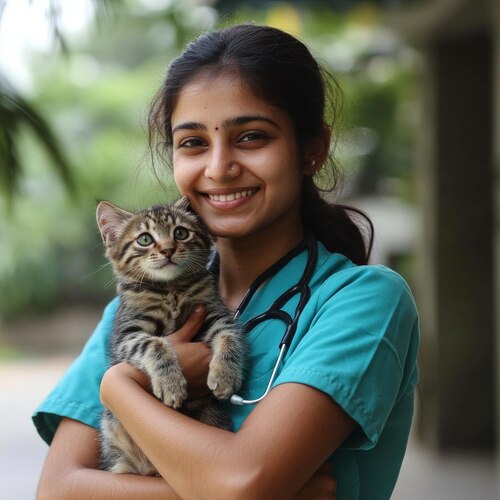
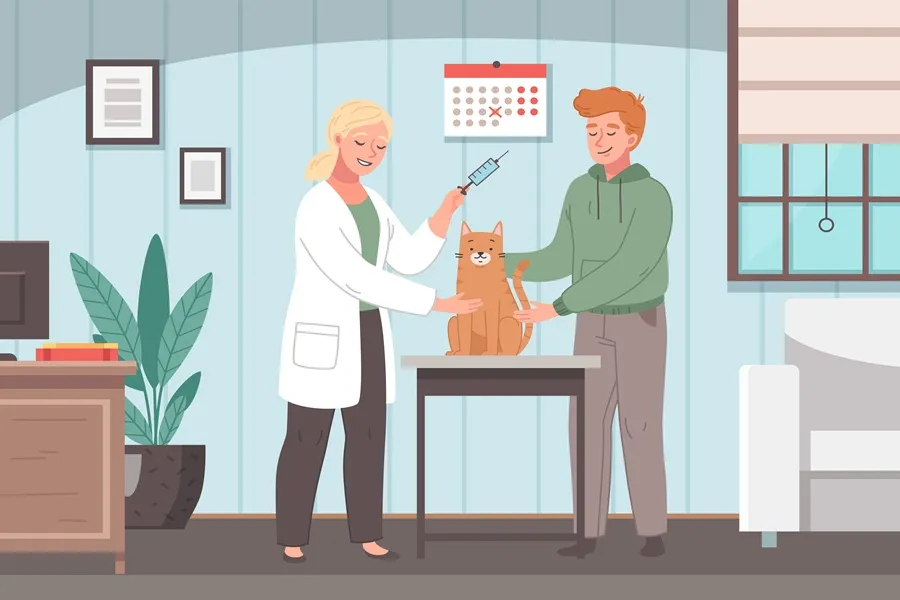
A strange pattern plays out in many households. People take their pet to the vet the moment something looks wrong- a limp, a cough, a refusal to eat- but skip the appointment entirely when their pet seems perfectly fine. It feels logical in the moment, yet it's exactly backwards. A routine pet health checkup is most valuable when your pet looks healthy, because that's when a vet can catch small issues long before they become serious and expensive.Why "Looking Fine" Isn't EnoughAnimals are remarkably good at hiding discomfort. It's an instinct left over from the wild, where showing weakness could make them a target. This means a pet can be dealing with early kidney changes, dental disease, or joint issues for months without any visible sign, right up until it suddenly isn't fine anymore. A yearly pet health checkup exists specifically to catch what your own eyes can't.Regular visits also build a baseline. A vet who's seen your pet every year has something to compare against: a slight weight shift, a new heart murmur, a change in blood values, that a first-time visit during an emergency simply wouldn't have context for.What Happens During a Pet's Annual CheckupSo, what actually happens during a pet's annual checkup? It usually starts with the basics most people expect: weight, temperature, heart rate, and a general physical exam covering eyes, ears, teeth, skin, and joints. From there, most vets move into a more thorough look, checking lymph nodes, abdominal palpation, and mobility, especially for older pets who might be quietly favouring a sore leg without anyone noticing at home.Depending on age and risk factors, this is also when bloodwork, urinalysis, or fecal testing often gets recommended. These tests reveal things a physical exam simply can't, like early organ stress or hidden parasites, which is a big part of why these checkups matter even when nothing seems visibly off to a pet parent watching from the outside.Preventive Care for Pets, Not Just ?TreatmentThere's an important mindset shift here. Preventive care for pets isn't about waiting for something to go wrong and reacting. It's about catching problems while they're still manageable, often before your pet shows any symptoms at all. Dental disease is a great example. Left unchecked, it can silently damage the heart and kidneys over years, yet it's one of the easiest things to catch and manage early during a routine visit.Vaccinations, parasite prevention, and weight management conversations also fall under preventive care for pets, and annual visits are usually when these get reviewed and adjusted based on your pet's actual lifestyle that year, not a generic one-size-fits-all plan handed out regardless of circumstances.How Often Should Cats Go to the VetA question that comes up constantly, especially from cat owners who assume indoor cats need less medical attention. So, how often should cats go to the vet? Healthy adult cats generally benefit from one checkup a year, but kittens, senior cats above seven or eight, and cats with existing conditions usually need visits every six months instead.Indoor cats aren't immune to health issues either. Obesity, dental disease, and age-related kidney problems are common regardless of whether a cat ever steps outside, which is exactly why the "how often should cats go to the vet" question deserves a real answer tailored to your specific cat's age and health, not a blanket rule applied to every household.Building a Simple Checklist for YourselfBefore your next appointment, it helps to jot down anything you've noticed over the past few months, even small things that seem minor. Changes in appetite, water intake, energy levels, litter box habits, or behaviour are all worth mentioning, since pet parents often spot subtle shifts long before any test would reveal them on its own.Bringing a short list to your appointment also means you won't forget to ask something important once you're actually sitting in the room, especially with a wriggly pet distracting everyone involved in the conversation.What a Vet Is Actually Looking ForIt helps to know what's going through a vet's mind during that exam, rather than it feeling like a vague routine. They're comparing current weight against previous visits, checking gum colour for early signs of anemia or dehydration, listening for irregular heart rhythms, and feeling the abdomen for anything that shouldn't be there. None of this takes long, usually fifteen to twenty minutes, but each step is deliberate and tells a trained eye something a pet parent wouldn't otherwise catch at home.Making It a Habit, Not an AfterthoughtThe hardest part of annual checkups usually isn't the appointment itself; it's remembering to book it before another year quietly slips by without anyone noticing. Peppycare helps pet parents stay on top of this with reminders and easy scheduling, so routine care doesn't fall through the cracks between the busy stretches of everyday life. If it's been a while since your pet's last visit, there's no better time to get back on track than now.
Read More