
Deworming for Pets: When and How Often Should You Do It?
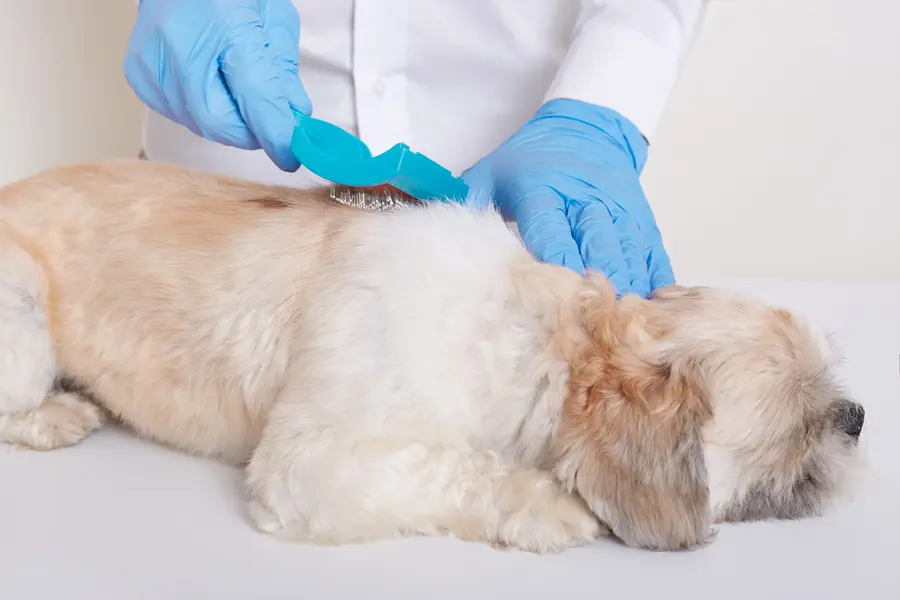
If you have a dog or a cat at home, one question keeps coming up again and again: when should I deworm my pet, and how often do I need to do it?
- Deworming for pets is one of the most essential steps in preventive pet healthcare, especially in Indian conditions.
- Whether your pet stays at home or uses animal boarding services, deworming is an important part of routine pet care that should never be overlooked.
- This question matters because worms are not rare. They are common in both dogs and cats of all ages. In a warm climate like India’s, internal parasites thrive in soil and on grass. Pets that stay outdoors, visit parks, or spend time in open environments may have higher exposure. Young puppies and kittens are especially vulnerable, but even healthy adult pets can pick up worms from the environment or from other animals.
In this blog, we will break down deworming for pets, how often you should deworm your pet, why it matters, what schedules vets recommend, and when natural or vet-prescribed deworming makes sense, all in clear, practical language. This information is especially useful if your pet frequently visits pet daycare or grooming facilities.
Why Deworming Is Important
Parasites like roundworms, hookworms, and tapeworms feed off your pet’s nutrients. They can cause:
- Weight loss
- Diarrhea or vomiting
- Pot-bellied look in puppies
- Dull coat
- Poor growth or energy levels
Some parasites can also spread to humans, especially children, so controlling worms is not just about your pet’s comfort; it’s about your family’s health, too. This becomes even more important for pets that interact with other animals through shared play areas.
According to veterinary experts, intestinal worms are extremely common in India because pets are often outdoors, interact with other animals, and live in warm weather, in conditions where parasites thrive. This is why deworming for pets is strongly recommended year-round.
Basic Deworming Schedule for Dogs and Cats
The schedule below is based on veterinary standards and reflects how many times pets typically need treatment as they age. Frequency depends on age and lifestyle, including whether your pet uses pet boarding services or stays in group environments. This also works as a dog deworming schedule chart for most households.
Puppies and Kittens
Very young pets carry the highest parasite risk because they can get worms from their mother while still nursing.
Here is a simple chart you can follow:
- Age — Deworming Frequency
- 2 weeks — First dose
- 2–12 weeks — Every 2 weeks
- 12 weeks–6 months — Once a month
This stronger schedule early in life helps eliminate parasites before they cause serious problems and is considered part of the best deworming for pets during early growth.
Adult Dogs and Cats
- Once your pet reaches 6 months old, deworming for pets becomes a maintenance routine.
- Most vets and pet care sources now recommend:
- Once every 3 months (that is about 4 times per year) for most pets.
Pets with heavy outdoor access, hunting instincts, raw feeding, or frequent stays at animal boarding services may need deworming every 2 months or even monthly, depending on risk and vet advice.
A general rule of thumb is: the more time your pet spends outside or in shared environments, the more often they should be treated.
Special Cases
Pregnant or nursing mothers should be dewormed under vet supervision to protect both mom and babies. This is especially important before using boarding services or daycare facilities. Always check with your vet for safe timing and options.
Signs Your Pet Needs Deworming Now
You should not wait for symptoms, because parasites can be silent. But these signs often accompany a worm problem:
- Visible worms or segments in stool
- Scooting (dragging the bottom on the floor)
- Persistent diarrhea or soft stool
- Weight loss even with good appetite
- Dull coat, itching, or poor energy level
- When these show up, it’s time to talk with your vet rather than guessing.
- Best Deworming Options
- Vet-Prescribed Deworming Medicines
Medicine combinations like praziquantel + pyrantel, fenbendazole, and others are common. These are often prescribed as a deworming tablet for dogs or cats and are proven to eliminate many kinds of worms. Some focus on roundworms and hookworms, while others also cover tapeworms.
Always check with a vet before giving any medicine, especially if your pet stays at outside or interacts with multiple animals.
Natural Deworming
Some pet parents prefer natural deworming for pets using remedies or herbal supplements. These may include pumpkin seeds, garlic (in safe amounts), or diatomaceous earth marketed for pets.
But here is the key: natural deworming for pets is rarely strong enough to kill all parasites on its own, especially in young animals or heavy infestations. If you choose natural methods, use them only as a complement to vet-approved medicine and always under veterinary guidance.
How to Deworm Your Pet Safely
While schedules give you a general plan, veterinary guidance is essential because:
- Dewormers need to be chosen based on your pet’s weight and age
- Some medicines are vet-only
- Improper dosing can harm your pet
- Parasite loads and risks vary by region, lifestyle, and breed.
- Always weigh your pet before dosing and follow product instructions or your vet’s advice.
Why Regular Deworming Matters Even if They Look Healthy
Parasite eggs can survive in soil for weeks. Even pets that seem healthy and don’t show signs can carry worms. Regular deworming for pets helps:
- Prevent long-term health issues
- Reduce spread of parasites in your yard
- Protect young children who play on the ground
- Keep pets safe when using shared facilities
In some cases, vets also recommend stool checks throughout the year, especially for high-risk pets.
Summary
Here is a quick view of a practical schedule many vets follow:
Puppies and kittens: Start at 2 weeks, repeat every 2 weeks until 3 months, then monthly until 6 months.
Adults: Deworm every 3 months under most conditions, more often if your pet is high risk or frequently uses animal boarding services.
Natural options: Can support gut health but should not replace vet-recommended treatments.
If in doubt, ask your vet. A proactive deworming plan for pets keeps your pet healthier, helps prevent reinfection, and gives you peace of mind.
Happy training and happy tails from all of us at Peppycare, where your pet’s health and happiness always come first.
Medical Disclaimer
This article is intended for general informational purposes only and does not replace professional veterinary advice. Always consult a qualified veterinarian before starting, stopping, or changing any deworming schedule or medication, especially if your pet has existing health conditions or regularly stays at animal boarding services.
Author Bio
The Peppycare team consists of pet care professionals and animal lovers dedicated to helping pet parents make informed decisions. From health and nutrition to animal boarding services, we aim to simplify pet parenting with clear, practical, and trustworthy guidance.
FAQs
The best deworming for pets depends on age, weight, lifestyle, and exposure. Vets usually recommend scheduled deworming tablets combined with regular stool checks.
A deworming tablet for dogs is usually given every 3 months for adults, and more frequently for puppies based on a dog deworming schedule chart.
Yes. Most vets follow a dog deworming schedule chart that starts at 2 weeks of age and continues regularly into adulthood.
Natural deworming for pets may support gut health, but should not replace vet-prescribed treatments, especially for active infections.
Yes. Most animal boarding services require pets to be regularly dewormed to reduce parasite spread.
2026-05-22 09:16:51 | Peppycare
Recent Blogs

Top Animal Boarding Services Near You: A Home Away from Home for Your Pets
2026-05-25 06:24:46
Deworming for Pets: When and How Often Should You Do It?
2026-05-22 09:16:51

Identifying and Managing Infectious Diseases in Cats: Symptoms and Treatments
2025-03-28 07:33:14


Protecting Your Dog from Summer Heat Breed-Specific Tips
2025-03-18 12:47:51

Why Every Dog Needs the Canine Parvovirus Vaccine: A Comprehensive Guide
2025-02-26 11:33:37
Keeping Your Avian Companion Healthy: Identifying and Treating Bird Illnesses
2024-04-12 08:06:38