
Kitten Vaccination Schedule
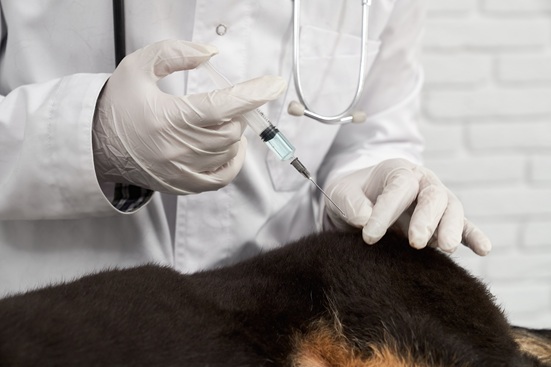
Kitten Vaccination Schedule: Vaccines, Timing & Cost Guide for New Pet Parents
- Bringing home a kitten is one of those experiences that feels like a mix of pure joy and quiet panic. One minute you're watching it chase a bottle cap across the floor, the next you're wondering if you're actually doing everything right for its health.
- Vaccines are usually the first big question new kitten parents search for, and rightly so. A proper kitten vaccination schedule is one of the few things in those early months that genuinely protects your little one from diseases that can turn serious, sometimes fatal, if left unchecked.
Why a Kitten Vaccination Schedule Starts So Early
- Kittens are born with some immunity passed on through their mother's milk, but that protection fades fast, usually by six to eight weeks of age. After that, their own immune system has to take over, and it needs help getting there. This is exactly why a kitten vaccination schedule starts so early in life, long before most people think their tiny kitten needs any medical intervention at all.
- Diseases like feline panleukopenia, calicivirus, and herpesvirus spread easily, especially among kittens who haven't built immunity yet. Left unvaccinated, a kitten exposed to these can get seriously ill within days. The good news is that a well-timed kitten vaccination schedule dramatically lowers that risk, and most vets will walk you through exactly when each shot is due so you're not left guessing.
First Vaccine for Kittens: What to Expect at 6 to 8 Weeks
What Does the FVRCP Vaccine Cover?
The first vaccine for kittens typically goes in around 6 to 8 weeks of age, covering the core combination against panleukopenia, calicivirus, and herpesvirus, often called the FVRCP shot.
Why Kittens Need Booster Doses Until 16 Weeks
This isn't a one-time thing either. Kittens need booster doses roughly every three to four weeks until they're around 16 weeks old, because their immune response at a young age isn't strong enough to rely on just one dose.
Many new pet parents assume one visit covers everything, and then feel blindsided when the vet mentions a second or third appointment. Knowing this upfront makes the whole process feel far less overwhelming, and it's one reason having a clear schedule matters so much from day one.
Rabies Vaccine for Cats: When to Give It and How Often
The rabies vaccine for cats is usually given a little later, typically around 12 to 16 weeks of age, depending on local regulations and your vet's recommendation. Rabies is fatal and, in India, remains a genuine public health concern, which is why this particular vaccine isn't optional in most places, even for cats that rarely step outside.
Rabies Booster Timing After the First Dose
After the initial dose, the rabies vaccine for cats is generally boosted a year later, and then every one to three years depending on the vaccine type used. If your kitten ever interacts with stray animals, even briefly through a balcony or a window, this vaccine becomes even more important to keep current.
Kitten Vaccine Cost: What to Expect Across the Full Schedule
What Affects the Total Cost?
One thing that catches a lot of first-time owners off guard is the actual kitten vaccine cost involved across the full schedule. It's rarely a single payment. Between the core combination shots, boosters, and the rabies vaccine, costs add up over the first four months, and prices vary depending on the clinic, the vaccine brand used, and whether additional vaccines like feline leukemia are included based on your kitten's lifestyle and exposure risk.
Are Vaccination Packages Worth It?
It's worth asking your vet for a rough breakdown of total kitten vaccine cost upfront rather than being surprised appointment by appointment. Some clinics also offer bundled vaccination packages that work out more affordably than paying per visit.
Kitten Shots Near Me: How to Choose a Kitten-Friendly Vet
- If you've typed kitten shots near me into Google at some point, you're far from alone. Finding a reliable, kitten-savvy vet clinic matters more than people realise, especially since kittens can be anxious during their first few visits, and a gentle, experienced hand makes a real difference in how they handle future vet trips too.
- Look for clinics that handle kittens regularly, not just adult pets, and don't hesitate to ask how they manage nervous or squirmy kittens during the actual injection. A good first experience often sets the tone for your cat's relationship with vet visits for years to come.
How to Stay on Track With Your Kitten's Vaccine Appointments
- Keeping up with multiple appointments over a few months can genuinely feel like a lot, especially if this is your first pet. Writing dates down, setting phone reminders, or asking your clinic for a printed schedule all help. What matters most is consistency, since missed or delayed doses can leave gaps in protection exactly when your kitten needs it most.
- At Peppycare, we work closely with pet parents to keep vaccination schedules simple and stress-free, from the first appointment reminder to the final booster. If you're unsure where your kitten currently stands or need help mapping out what's next, our team is happy to guide you through it so nothing slips through the cracks during these crucial early months.
2026-10-05 12:44:45 | Peppycare
Recent Blogs
2026-10-05 12:44:45
Top Animal Boarding Services Near You: A Home Away from Home for Your Pets
2026-05-25 06:24:46
Deworming for Pets: When and How Often Should You Do It?
2026-05-22 09:16:51
Identifying and Managing Infectious Diseases in Cats: Symptoms and Treatments
2025-03-28 07:33:14

Protecting Your Dog from Summer Heat Breed-Specific Tips
2025-03-18 12:47:51

Why Every Dog Needs the Canine Parvovirus Vaccine: A Comprehensive Guide
2025-02-26 11:33:37